Birch Tree Redwork: A Designer’s Craft Fair Review
As an embroidery designer who has spent countless weekends behind a folding table at local markets, I look at every new machine embroidery design through a specific lens. It is not just about whether the stitches are pretty; it is about whether the design will stop a shopper in their tracks, survive the wear and tear of daily use, and sell consistently enough to justify the production time. Today, I am reviewing Birch Tree Redwork, a piece that sits squarely in the Forest category, to determine its viability for craft fair sellers, Etsy shop owners, and handmade product creators.
First Impressions and Aesthetic Appeal
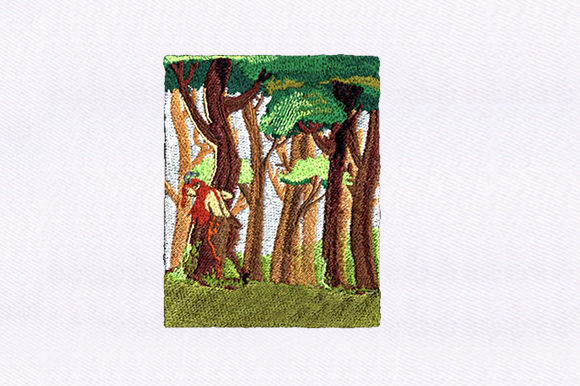
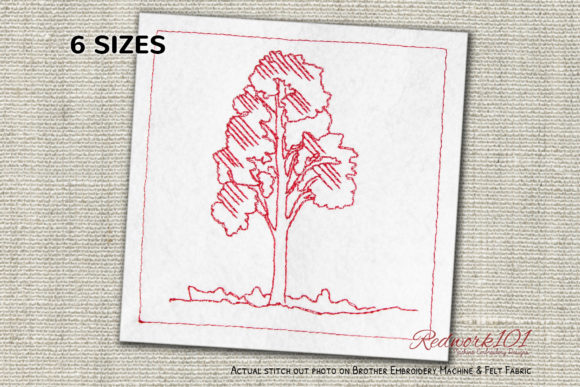
The immediate visual impact of Birch Tree Redwork is one of rustic elegance. Redwork, traditionally done in a single color thread against a neutral background, carries a heritage feel that appeals strongly to buyers looking for farmhouse or cottage-core aesthetics. The silhouette of the birch tree is iconic and instantly recognizable, which is crucial for a craft fair product. When customers are walking past dozens of booths, they do not have time to decipher complex imagery. They need to understand what they are looking at in a split second.
This design feels minimal yet decorative. It avoids the clutter of multi-color fills, relying instead on the strength of the outline and the negative space. For a boutique maker, this simplicity is a asset. It suggests a premium, handmade quality rather than a mass-produced item. The "Forest" theme is timeless, meaning this design does not suffer from seasonal obsolescence. While it might peak in autumn, the stark beauty of birch trees works year-round, making it a reliable staple for your inventory.
Product Versatility and Market Fit
The true test of any embroidery file is its adaptability. Where does Birch Tree Redwork shine? Based on my experience with similar silhouettes, this design is exceptionally versatile. Here is how it performs across common handmade items:
- Tote Bags and Market Bags: This is perhaps the strongest application. A large-scale version of the birch tree centered on a canvas tote creates a striking tote bag design. The red thread pops beautifully against natural cotton or linen, appealing to eco-conscious shoppers who want stylish, reusable bags.
- Kitchen Textiles: For tea towel embroidery or apron accents, the design works well as a focal point. An apron embroidery featuring this tree on the bib or lower corner adds a touch of nature-inspired charm that sells well to home cooks and gift buyers.
- Embroidered Patches: If you offer patches, this design translates well to felt or twill backings. The clean lines ensure that the shape remains distinct even at smaller sizes, making it a great small shop product for impulse buys.
- Pillow Covers and Home Decor: On neutral-toned pillowcases, the redwork provides a sophisticated contrast. It elevates a basic cushion into a curated home decor piece, allowing you to charge a higher price point for the finished product.
However, caution is needed with curved surfaces like caps. While possible, the horizontal spread of a tree canopy can distort on the front panel of a baseball cap unless the design is specifically digitized for that curvature. Always check the recommended hoop size and placement guidelines before committing to headwear.
Production Efficiency and Batch Selling
For those of us running small businesses, time is money. One of the greatest advantages of Birch Tree Redwork is its potential for speed. Because it is likely a single-color or low-color design, you minimize thread changes. This makes it ideal for batch production. You can hoop multiple tea towels or tote bags and run them in succession without constant supervision.
Furthermore, the design photographs exceptionally well. For the Etsy seller, having a design that looks crisp in digital listings is vital. The high contrast between the red thread and light fabric creates a clear image that translates well to printable mockup tools. This reduces the need for extensive photo editing, streamlining your workflow from production to listing.
When considering commercial embroidery rights, always verify the license terms included with your digital embroidery file. Assuming standard commercial use is permitted, this design allows you to create a cohesive collection. You can offer the same motif on different products, strengthening your brand consistency. A customer who buys a tote bag may return later for a matching pillow cover, increasing their lifetime value to your shop.
Technical Considerations and Careful Use
While the design is robust, there are technical nuances to consider to ensure a professional finished product. First, pay attention to stitch density. Redwork designs often rely on satin stitches or running stitches. If the density is too high on lightweight fabrics, you risk puckering. Always use the appropriate stabilizer. For tote bags, a cut-away stabilizer provides lasting support, while tear-away may suffice for stable woven towels.
Fabric texture also plays a role. On highly textured towels, fine details might get lost. Ensure that the line weight of the birch branches is thick enough to remain visible on terry cloth or waffle weave fabrics. If the design includes tiny details or small lettering, test it on scrap fabric first. What looks clear on a screen may merge into a blob when stitched out on thick material.
Another critical note from the product description mentions that "The Box Stitch shown in picture is optional." This suggests flexibility. If you are stitching on a dark fabric, you might need to adjust your thread colors or add a backing stitch to ensure visibility. However, redwork traditionally thrives on light backgrounds. Stick to creams, whites, and light grays for the best visual impact. If you choose to skip the outer box color, ensure the remaining elements are balanced and do not look incomplete.
Designer Notes for Best Results
Before you launch this design into your main inventory, follow these practical steps:
- Test on Scrap Fabric: Never skip this step. Check for registration issues and thread breaks.
- Check Thread Contrast: Use a classic red for traditional appeal, but consider deep forest green or navy for a modern twist if your brand allows.
- Review Spacing: Ensure there is enough breathing room around the tree so it does not feel cramped within the hoop.
- Confirm Hoop Size: Match the design dimensions to your machine’s capabilities to avoid re-hooping errors.
- Create Real Mockups: Photograph the actual stitched item alongside your digital assets to build trust with online buyers.
In conclusion, Birch Tree Redwork is a strong contender for any embroidery business focused on nature-inspired, rustic, or farmhouse styles. Its simplicity aids in production efficiency, while its aesthetic appeal drives customer engagement. By paying attention to fabric choice and stabilization, you can turn this design asset into a best-selling component of your craft fair booth or online store. It is a design that respects the tradition of embroidery while meeting the modern demands of the handmade market.