Satyr in a Forest Design: A Designer’s Review
As an embroidery designer who has spent countless weekends behind a craft fair table, I have learned that the difference between a browser and a buyer often comes down to visual impact. When I first loaded the Satyr in a Forest Design into my digitizing software, my immediate thought was not just about stitch quality, but about marketability. This is a machine embroidery design that carries a distinct narrative weight. It does not scream for attention with neon brightness; rather, it invites the viewer into a whimsical, rustic scene. For those of us running small shops or Etsy stores, this kind of atmospheric imagery is gold. It transforms a simple piece of fabric into a story.
First Impressions and Market Fit
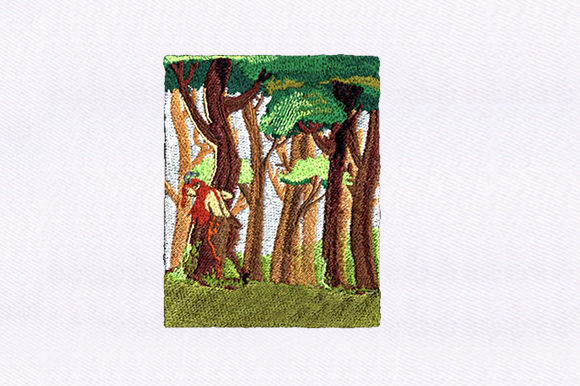
The aesthetic of the Satyr in a Forest Design leans heavily into the rustic and whimsical categories. It feels less like a modern minimal graphic and more like a classic illustration brought to life through thread. This is crucial for positioning. If you are selling at a high-end boutique maker event or a folklore-themed market, this design fits perfectly. It exudes a premium, handmade quality that appeals to customers looking for unique, giftable items. The "Forest" category is not just a label here; it is a mood. Buyers who love nature, mythology, and cottagecore aesthetics will stop at your booth because the imagery resonates with their personal style.
From a production standpoint, the design appears balanced. It is not so dense that it will puckers lightweight fabrics, nor is it so sparse that it looks cheap on heavier materials. However, as with any complex scene, the devil is in the details. The interplay of the satyr figure against the forest background requires careful thread selection. You cannot rely on automatic color changes alone. You must curate your thread colors to ensure the subject pops against the foliage. Earth tones, deep greens, and warm browns will likely be your best friends here.
Product Applications for Maximum Sales
Where does this design sell best? In my experience, narrative designs like this thrive on larger surface areas. A small keychain might lose the intricacy of the forest elements. Instead, consider these high-potential products:
- Tote Bag Design: A canvas tote is the ideal canvas. The flat, sturdy surface allows the full width of the design to shine. Customers love eco-friendly bags with artistic prints, and an embroidered version adds significant perceived value.
- Apron Embroidery: Imagine this on a high-quality linen apron. It targets the "kitchen witch" or home baker demographic perfectly. Place it on the bib for maximum visibility or lower on the skirt for a subtle accent.
- Pillow Covers: Home decor is a huge seller at craft fairs. A square pillow cover with the Satyr in a Forest Design centered creates an instant focal point for a living room. It feels cozy and intentional.
- Tea Towel Embroidery: For a more affordable entry point, tea towels work well. However, you must be cautious. Terry cloth or textured towels can distort fine details. Use a smooth waffle weave or plain cotton for the best result.
- Embroidered Patch: If you want to offer a lower-price item, digitize a simplified version or use the central figure as an iron-on or sew-on patch. Patches are impulse buys that add up quickly.
When preparing your craft fair product lineup, variety is key. Have one large statement piece, like a tote or pillow, to draw people in. Then, offer smaller items like pouches or caps for those with a tighter budget. The versatility of this digital embroidery file allows you to scale its application across different price points.
Technical Considerations for Production
Before you commit to batch production, you must address the technical realities of embroidering a scene. The provided formats—10O, ART, CND, DSB, DST, DSZ, EXP, HUS, JEF, PCS, PEC, PES, TAP, VIP, VP3, XXX—cover nearly every machine on the market. This compatibility is a massive advantage for commercial embroidery businesses using different equipment. However, format compatibility does not guarantee perfect execution on every fabric.
You must check the stitch density. Detailed forest scenes can sometimes become too dense, leading to needle breaks or fabric distortion. Always test the design on scrap fabric identical to your final product. If you are using a curved surface, like a cap, the design may need to be split or simplified to avoid wrapping issues. Caps are tricky; the center front panel is narrow. Ensure the width of the Satyr in a Forest Design fits within your standard cap hoop without encroaching on the seams.
Stabilizer choice is non-negotiable. For tote bags and aprons, a medium-weight cut-away stabilizer is usually best to support the weight of the stitches over time. For tea towels, a tear-away might suffice, but only if the fabric is tightly woven. Never skip the testing phase. A single bad stitch can ruin the illusion of the forest and lower the perceived quality of your handmade product.
Visual Appeal and Branding
How does this design affect your brand? Consistency is vital. If your shop specializes in dark, moody, or nature-inspired goods, the Satyr in a Forest Design strengthens your brand identity. It signals to customers that you understand their aesthetic. When photographing for your Etsy seller profile or social media, use natural lighting. The earthy tones of the design will look muddy under harsh fluorescent lights. Stage your products with dried flowers, wood slices, or vintage books to enhance the forest theme.
Create at least one real printable mockup or high-quality photo before launching. Show the design in context. A flat lay of the embroidery is nice, but a photo of someone wearing the apron or holding the tote bag sells the lifestyle. This helps buyers visualize the finished product in their own lives. Engagement increases when customers can imagine using the item.
Practical Advice for the Busy Maker
To maximize efficiency, consider these steps before your next market:
- Verify Hoop Size: Check the dimensions of the design against your available hoops. If it requires a large hoop, ensure you have enough inventory of large-format blanks.
- Contrast Check: Test the design on both light and dark fabrics. On dark fabric, you may need to adjust underlay stitches or use a lighter thread palette to maintain clarity.
- Licensing Confirmation: Although this is a digital asset, always confirm the commercial licensing terms. Ensure you are allowed to sell physical items made with this design assets package.
- Batch Production: Once you have perfected the tension and stabilizer combo, hoop multiple items if possible. This design feels repeatable, meaning you can produce several units in one sitting without excessive troubleshooting.
In conclusion, the Satyr in a Forest Design is a strong contender for your small shop product line. It offers the right blend of artistic charm and technical feasibility. By paying attention to fabric texture, thread contrast, and appropriate product placement, you can turn this digital file into a bestseller. Remember, people buy with their eyes first. Let the whimsical nature of the satyr and the depth of the forest capture their imagination, and the sales will follow.