Review: Baby Bear Paw Cap Design for Real Projects
As a designer who has spent years digitizing patterns and testing them on everything from flimsy silk to heavy denim, I have learned that a cute concept does not always translate into a clean stitch-out. When I first pulled up the Baby Bear Paw Cap Design in my embroidery software, my initial reaction was cautious optimism. The theme falls squarely into the popular Baby Animals category, which is a perennial bestseller for small shop owners and Etsy sellers. However, popularity means nothing if the file itself is poorly constructed. I needed to know if this design could hold up under the needle during a real production run.
I decided to test this machine embroidery design by simulating a common client request: a set of personalized baby gifts for a shower. Specifically, I wanted to see how it would look on a soft, stretchy onesie and a structured canvas tote bag. These two fabrics represent opposite ends of the spectrum in terms of stability and texture, making them the perfect stress test for any new embroidery file.
First Impressions and Visual Appeal
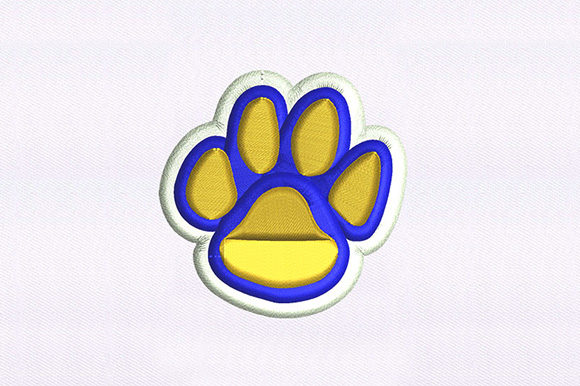
The visual personality of the Baby Bear Paw Cap Design is gentle and approachable. It avoids the overly complex detailing that often plagues modern digital assets, opting instead for clear, recognizable shapes. This simplicity is a strength, not a weakness. In embroidery, less is often more, especially when working with small hoop sizes or delicate fabrics. The layout feels balanced, with a focal point that draws the eye without overwhelming the surrounding space.
For a craft business owner, visual clarity is crucial. Customers scrolling through online marketplaces need to instantly recognize the subject matter. This design achieves that immediate recognition. Whether used as a standalone motif or paired with text, it maintains its integrity. The mood it creates is warm and nurturing, making it an ideal choice for baby embroidery projects, nursery decor, or sentimental personalized gifts.
Performance on Different Fabrics
Putting the design to work, I started with a cotton canvas tote bag design. Here, the design performed exceptionally well. The fabric provided a stable base, allowing the stitches to lay flat and crisp. The stitch density appeared appropriate for medium-weight fabrics, providing enough coverage to look professional without creating excessive pull or distortion. If you are creating small shop products like market bags or aprons, this design is a reliable contender.
However, moving to the stretchy jersey knit of a baby onesie required more attention. This is where many designs fail. I noticed that without proper stabilization, the edges of the paw shape could potentially pucker. For custom apparel made from knits, I strongly recommend using a cut-away stabilizer rather than a tear-away. This ensures that the finished product remains durable through multiple wash cycles. The design itself did not have excessive fill stitch areas that would make the garment stiff, which is a significant plus for baby items where comfort is paramount.
Considerations for Caps and Curved Surfaces
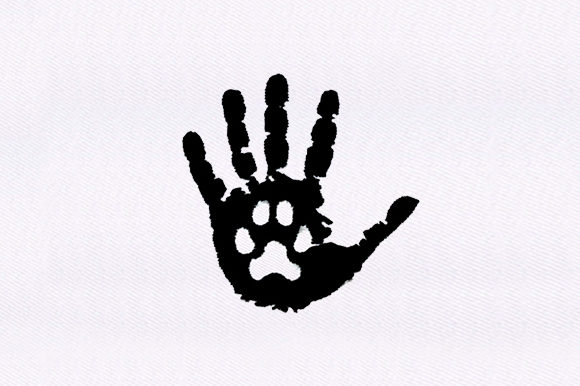
Given the name Baby Bear Paw Cap Design, I also evaluated its suitability for headwear. Embroidering on curved surfaces like caps requires a design that is not too wide or tall, to avoid hitting the seams or the brim. This design’s compact footprint makes it a strong candidate for sweatshirt embroidery pockets, hat fronts, or even small embroidered patch creations. When stitching on a cap, ensure you are using a foam backing if you want a raised, 3D effect, though the design works beautifully flat as well.
One thing to watch for on textured fabrics, such as terry cloth towels or fleece blankets, is the visibility of fine details. While this design is robust, very tiny elements might get lost in high-pile fabrics. In such cases, increasing the size slightly or choosing a contrasting thread colors scheme can help maintain definition. For holiday embroidery projects like Christmas stockings or Easter baskets, this adaptability is a valuable trait.
Technical Notes for Designers
From a technical standpoint, the versatility of the provided formats is impressive. The inclusion of files such as DST, PES, JEF, EXP, and VIP ensures compatibility with most major home and commercial machines. However, as an experienced reviewer, I must advise you to always check the specific hoop size requirements in your software before loading the file. While the design is compact, confirming the dimensions prevents accidental resizing that could distort the aspect ratio.
Here are my practical notes for anyone planning to use this asset:
- Test on scrap fabric first: Never stitch a final product without a test run. Check for thread breaks and tension issues.
- Check thread contrast: This design relies on shape recognition. Ensure your thread color stands out against the fabric texture and background color.
- Review stitch density: If you are stitching on thin fabric, consider adding an underlay or using a heavier stabilizer to prevent show-through.
- Inspect small details: Zoom in on your screen to check for any potential jump stitches or dense clusters that might need manual editing.
- Mockup in black and white: This helps you evaluate the design’s structure without the distraction of color, ensuring the silhouette is strong.
Commercial Viability and Branding
For Etsy sellers and digital product sellers, the quality of your design assets directly impacts your brand reputation. A sloppy stitch-out leads to returns and negative reviews. The Baby Bear Paw Cap Design offers a level of professionalism that builds customer trust. It looks intentional and polished, which elevates the perceived value of the handmade product.
When creating printable mockups for your online listings, this design photographs well. Its clean lines translate effectively into digital images, helping potential buyers visualize the final item. Whether you are selling commercial embroidery services or physical goods, consistency in quality is key. This design fits seamlessly into a cohesive brand aesthetic focused on warmth, nature, and childhood innocence.
It is also worth noting the importance of licensing. Before selling finished items or using this as part of a larger composite design, confirm the license terms associated with the purchase. Most designers allow commercial use for physical products but restrict the resale of the digital file itself. Always clarify this to protect your craft business from legal issues.
Final Verdict
After thorough evaluation, I find the Baby Bear Paw Cap Design to be a solid addition to any embroiderer’s library. It is not just a cute graphic; it is a functional, well-considered tool for creators. It performs reliably on a variety of materials, from sturdy canvas to delicate knits, provided the correct stabilizers are used. Its simplicity allows for versatility, making it suitable for baby clothes, pillow covers, kitchen towel accents, and boutique merchandise.
For those looking to expand their small business merchandise offerings, this design offers a low-risk, high-reward option. It appeals to a broad audience and executes cleanly on most machines. Just remember to respect the nuances of your chosen fabric and hoop setup. With proper preparation, this design will help you create beautiful, lasting items that customers will cherish. It is a dependable choice for both hobbyists looking to make special gifts and professionals aiming to streamline their production workflow.