River Side Mushroom House Lineart Review
As an embroidery designer who has spent years digitizing and testing files for small businesses, I approach every new machine embroidery design with a critical eye. It is not just about whether the image looks cute on a screen; it is about how that design translates into thread, how it holds up on fabric, and ultimately, how it serves the brand identity of the client using it. Recently, I reviewed the River Side Mushroom House Lineart Design, a piece categorized under Cities and Embroidery, to determine its viability for commercial use. For boutique owners, Etsy sellers, and apparel decorators, understanding the nuances of this file is essential before adding it to your product lineup.
First Impressions: Visual Personality and Brand Fit
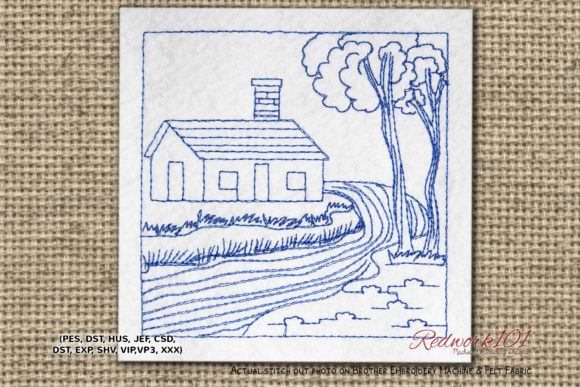
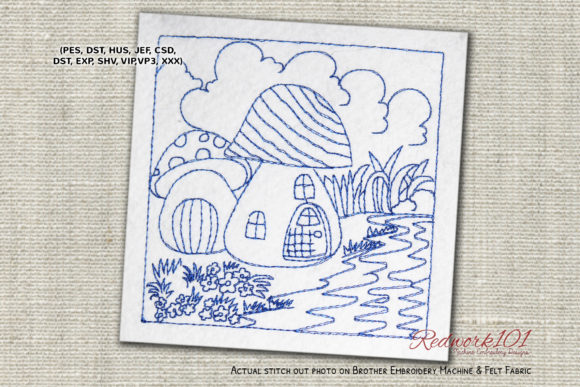
The first thing that strikes you about the River Side Mushroom House Lineart Design is its whimsical yet grounded aesthetic. The lineart style suggests a hand-drawn quality, which immediately evokes feelings of warmth, rustic charm, and handmade authenticity. This is not a cold, corporate logo; it is a narrative piece. For businesses in the creative sector—such as independent bookstores, artisanal bakeries, florists, or eco-friendly cafes—this visual personality is a goldmine. It signals to customers that the brand values creativity and nature.
However, "lineart" in embroidery can be tricky. Unlike filled shapes, line work relies entirely on the precision of the stitch path and the contrast between the thread and the fabric. In my initial assessment, the design feels playful and decorative, but it requires careful handling to ensure it reads as professional rather than unfinished. The optional box stitch mentioned in the product description is a crucial element here. It provides a boundary that can help frame the intricate details of the mushroom house, making it easier to integrate into various merchandise items without losing visual coherence.
Real-World Applications for Small Business Merch
When evaluating a digital embroidery file for business use, I always ask: where does this live on a product? The River Side Mushroom House Lineart Design is versatile, but it shines brightest in specific applications. Here is how I envision it performing in a real-world commercial embroidery context:
- Embroidered Patches: This is perhaps the strongest use case. A patch allows you to control the background fabric color, ensuring the lineart pops. You can create iron-on or sew-on patches for jackets, backpacks, and hats. The optional box stitch becomes vital here, acting as a merrowed or satin border that contains the design and gives it a finished, retail-ready look.
- Tote Bag Design: Canvas tote bags are a staple for handmade brands. The rustic nature of the mushroom house complements the texture of canvas perfectly. Placing this design on the lower corner or center of a tote creates a subtle, sophisticated branding element that customers love to carry.
- Apron Embroidery: For cafes and bakeries, staff uniforms are walking billboards. Embroidering this design on the chest or pocket of an apron adds a touch of personality. It softens the uniform, making staff appear more approachable and aligned with a cozy, community-focused brand identity.
- Cap Embroidery: While possible, cap fronts are curved and unforgiving. If you choose to use this design on headwear, I recommend placing it on the side panel or using a smaller version on the front, ensuring the line weights are thick enough to survive the curve without distortion.
Navigating Technical Challenges and Fabric Textures
Every designer knows that what looks good in a printable mockup does not always translate seamlessly to thread. The River Side Mushroom House Lineart Design presents specific technical challenges that must be addressed before production. Because it is line-based, the stitch density must be balanced. Too dense, and the fabric will pucker; too sparse, and the gaps between stitches will show the underlying material, breaking the illusion of a continuous line.
Fabric texture plays a massive role here. On smooth cotton or polyester blends, the lines will appear crisp. However, on textured fabrics like terry cloth towels or heavy wool, fine lines can get lost. I strongly advise testing this design on the exact fabric you intend to use. If you are working with dark uniforms or black apparel, you must ensure high contrast in your thread colors. A white or bright yellow thread on black fabric works well, but subtle earth tones may vanish if the lighting is poor.
Additionally, the product description notes that the color of the outer box is different in most designs unless it is part of the design itself, and you can skip the color. This flexibility is excellent for customization but requires attention. If you skip the box color, ensure the lineart does not blend into the garment. Always use a proper stabilizer—likely a cut-away for stretchy fabrics or a tear-away for stable wovens—to support the stitch structure and prevent shifting during the embroidery process.
Enhancing Brand Identity and Customer Trust
Beyond the technical specs, we must consider the strategic value of this design. In the world of small business merch, consistency is key. The River Side Mushroom House Lineart Design can serve as a secondary brand asset. If your primary logo is text-heavy, this illustrative element adds visual interest without clutter. It helps build a cohesive brand identity that feels thoughtful and curated.
Customers associate high-quality embroidery with premium value. A well-executed embroidered patch on a jacket or a subtly branded tote bag elevates the perceived value of the item. It transforms a simple product into a keepsake. For Etsy sellers and crafters, offering items featuring this design can differentiate your shop from competitors using generic print-on-demand services. It signals that you invest in quality design assets and care about the tactile experience of your customers.
Practical Designer Notes for Production
Before you load this file into your machine for a large batch of custom apparel or merchandise, follow these practical steps to ensure success:
- Test in Black and White First: Stitch out the design in a single color on white and black fabric. This reveals any gaps in the line work or issues with stitch connectivity that might be hidden by colorful threads.
- Check Scale and Hoop Size: The product description does not specify exact dimensions, so you must verify the hoop size compatibility. Ensure the design fits within your standard hoop without requiring excessive re-hooping, which can lead to misalignment.
- Review Thread Contrast: Select threads that contrast sharply with your base fabric. If the design feels too delicate, consider increasing the stitch width slightly in your editing software, if permitted by the license.
- Confirm Commercial Licensing: Always verify the license terms associated with the embroidery file. Ensure you have the right to use it for physical goods sold in your store. Never assume; always check.
- Create a Client Mockup: If you are doing this for a client, create a realistic mockup showing the design on their specific garment. This manages expectations and allows for approval before you commit to production.
In conclusion, the River Side Mushroom House Lineart Design is a charming and versatile asset for businesses looking to add a touch of whimsy and warmth to their merchandise. It performs best as a patch or on stable fabrics like canvas and cotton. By paying attention to stitch density, fabric texture, and color contrast, you can leverage this design to create high-value, memorable products that strengthen your brand identity. Whether you are decorating aprons for a local cafe or creating patches for an online store, this design offers a unique opportunity to connect with customers through the art of embroidery.