Puppies in Trolley Lineart Design Review
As an embroidery designer who has spent years digitizing for small businesses, I approach every new machine embroidery design with a critical eye. It is not just about whether the image looks cute on a screen; it is about how that design translates into thread, how it holds up on fabric, and ultimately, how it serves the brand identity of the client using it. Recently, I evaluated the Puppies in Trolley Lineart Design, and I want to share my professional perspective on how this piece fits into the ecosystem of commercial embroidery and small business merchandise.
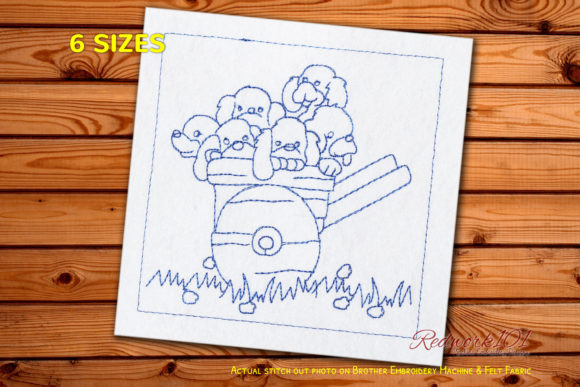
The first impression of this design is one of playful elegance. The use of lineart suggests a modern, minimalist aesthetic that avoids the heaviness often found in traditional filled designs. For brands operating in the pet industry, boutique retail, or creative services, this visual personality strikes a balance between professional and approachable. It does not scream for attention with aggressive colors or complex shading; instead, it invites closer inspection. This subtlety is crucial for high-end branding where less is often more.
Real-World Applications for Small Business Merch
When considering where to place the Puppies in Trolley Lineart Design, versatility is its strongest asset. I envision this working exceptionally well as an embroidered patch for local cafés, bakeries, or florists that want to add a touch of whimsy to their staff uniforms. Because the design relies on lines rather than dense fills, it remains lightweight on the garment. This is a significant advantage for apron embroidery, where heavy stitching can cause the fabric to pucker or feel stiff against the wearer’s body.
For Etsy sellers and handmade product creators, this design offers excellent potential for custom apparel. Imagine a line of organic cotton tote bags featuring this motif. As a tote bag design, the lineart style complements the natural texture of canvas without overwhelming it. The open spaces in the design allow the fabric color to show through, creating a integrated look that feels intentional and high-quality. Furthermore, for pet brands or veterinary clinics, this could serve as a charming logo accent on work shirts or polo shirts, reinforcing a friendly and caring brand image.
The description notes that "The Box Stitch shown in picture is optional." This is a critical detail for production flexibility. In my experience, having the option to skip the outer box allows the designer to adapt the artwork to different shapes and constraints. If you are creating a circular patch, you might omit the box to let the trolley and puppies define the boundary. If you are placing it on a rectangular label, the box might provide necessary structure. This adaptability makes the digital embroidery file more valuable for diverse commercial embroidery projects.
Technical Considerations and Stitch Density
From a technical standpoint, lineart designs require precise digitizing to ensure clarity. When reviewing the Puppies in Trolley Lineart Design, I pay close attention to stitch density. If the density is too high, the fine lines may merge, losing the delicate nature of the art. If it is too low, the fabric might show through excessively, making the design look sparse. While I do not have the exact stitch count here, I advise buyers to request a sample stitch-out or check the preview closely before bulk production.
One specific note from the product description states: "The color of outer Box is different color in most of the designs unless it is part of the design itself, you can skip the color directly." This implies that color separation is key. For small business owners, this means you must carefully plan your thread colors. If you are embroidering on dark uniforms, you will need high-contrast thread colors to ensure the lineart is visible. On light fabrics, you might choose a monochromatic look for a sophisticated, understated effect. Always test your thread colors against your chosen fabric texture to confirm visibility and aesthetic appeal.
Curved surfaces, such as cap embroidery, present unique challenges. The front panel of a cap is small and curved. If the Puppies in Trolley Lineart Design is too wide, it may distort when hooped. I recommend checking the hoop size requirements carefully. If the design is intended for a standard 4x4 inch hoop, it should fit comfortably on most adult caps. However, if it requires a larger hoop, you may need to resize it, which could affect the legibility of the fine lines. Always create a printable mockup to visualize the scale before committing to production.
Brand Identity and Customer Trust
Using a cohesive set of design assets is vital for building brand identity. The Puppies in Trolley Lineart Design can become a recognizable symbol for your business. Whether used on packaging accents, customer gifts, or event merch, consistency builds trust. When customers see the same high-quality embroidery on their tote bag, their apron, and their product labels, it reinforces the professionalism of your brand. It signals that you care about the details, which translates to perceived value in your finished product.
For handmade brands, the "handmade" feel of embroidery adds a layer of authenticity that printed graphics cannot match. The texture of the thread, the slight raise of the stitches, and the precision of the lineart all contribute to a premium tactile experience. This is particularly important for businesses selling luxury or artisanal goods. The design acts not just as a logo, but as a mark of quality craftsmanship.
Practical Designer Notes for Production
Before you begin mass production, I strongly recommend following these steps to ensure the best results with this embroidery file:
- Test in Black and White: Before selecting your final thread palette, stitch out the design in black thread on white fabric. This helps you evaluate the clarity of the lineart and identify any areas where stitches may overlap or gap.
- Check Small Patch Sizes: If you plan to use this as a small patch, verify that the details remain distinct. Fine lines can disappear if the design is scaled down too much.
- Review Thread Color Contrast: Ensure there is enough contrast between the thread and the fabric. Low contrast can make lineart designs difficult to read from a distance.
- Inspect Spacing: Look for areas where stitches are too close together, which can cause thread breaks or bird nests during machine operation.
- Confirm Hoop Size: Verify that the design fits within your available hoop sizes without requiring excessive resizing that compromises quality.
- Test on Real Fabric: Always run a test on the actual material you intend to use. Fabric texture and stretch can significantly alter the final appearance.
- Use Proper Stabilizer: For lineart, a cut-away stabilizer is often recommended for knits to prevent distortion, while tear-away may suffice for woven fabrics like canvas or denim.
- Create a Mockup: Use digital tools to place the design on photos of your products. This helps in client approval and marketing materials before physical samples are made.
- Compare Design Assets: Place this design beside your existing logos and graphics to ensure visual consistency across your brand.
- Confirm Commercial Licensing: Always verify the license terms of the digital embroidery file to ensure you are compliant for commercial use, especially if selling the finished items.
In conclusion, the Puppies in Trolley Lineart Design is a versatile and charming addition to any embroidery library focused on Dogs and lifestyle themes. Its strength lies in its simplicity and adaptability. By paying attention to technical details like stitch density, stabilizer choice, and color contrast, small business owners can leverage this design to create memorable, high-quality merchandise. Whether for a local boutique, a pet care service, or a creative studio, this design offers a professional yet playful way to enhance brand recognition and customer engagement through the art of Embroidery.