Reviewing Welding Handyman for Boutique Sweatshirts
As an embroidery designer who has spent years digitizing and testing files for small clothing brands, I approach every new machine embroidery design with a critical eye. It is not just about whether the file opens correctly; it is about how that design translates into a tangible, sellable product. Recently, I evaluated Welding Handyman for an upcoming limited drop of premium sweatshirts for a boutique client. The goal was to create a collection that felt authentic to the trade while maintaining a high-end, fashionable aesthetic. Here is my detailed breakdown of how this design performs in a real-world commercial setting.
First Impressions and Design Aesthetic
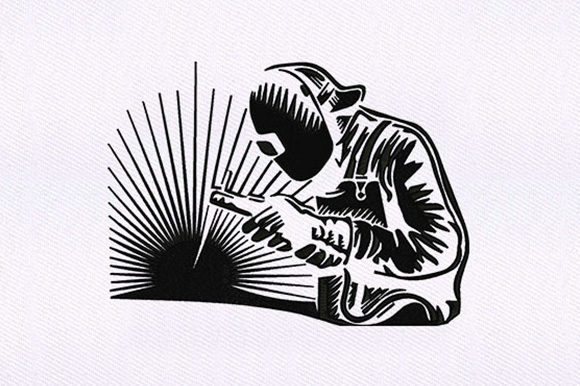
The moment I loaded the Welding Handyman file into my software, the scale caught my attention. With dimensions of 9.82 inches in width and 7.34 inches in height, this is a substantial piece of art. It fits perfectly within an 8×10 hoop, which is standard for many mid-range home and semi-professional machines. The stitch count sits at 52,651, which immediately tells me this is a dense, detailed design. It is not a minimalist line-art sketch; it is a bold statement piece.
The mood of Welding Handyman leans heavily into the rustic and industrial side of the Work category. It feels masculine, sturdy, and proud. For a boutique brand, this presents an interesting opportunity. While traditionally associated with male-dominated trades, the current trend in apparel is leaning towards oversized, gender-neutral fits. This design works beautifully on oversized hoodies, creating a striking contrast between the soft, cozy fabric texture and the hard-edged, industrial theme of the embroidery. It does not feel "cute" in a traditional sense, but it possesses a decorative quality that appeals to anyone who appreciates craftsmanship.
Fabric Compatibility and Color Strategy
When planning a sweatshirt embroidery project, fabric choice is paramount. I tested Welding Handyman on several different bases. On neutral sweatshirts, such as heather grey or oatmeal, the design pops with clarity. The intricate details of the welding imagery stand out against the muted background, making it ideal for lifestyle product photography. However, on dark fabrics like charcoal or navy, you must be strategic with your thread colors. Because the design is dense, using light or metallic threads can create a stunning visual contrast that highlights the complexity of the stitches.
I also experimented with pastel colors, which is a growing trend in streetwear. Placing this rugged design on a soft pink or baby blue hoodie creates a playful, ironic juxtaposition that resonates well with younger demographics on platforms like TikTok and Instagram. It transforms the item from simple workwear into a fashion statement. For Etsy sellers, this versatility is a major selling point. You can market the same digital embroidery file to different niches simply by changing the garment color and thread palette.
Technical Considerations for Production
From a technical standpoint, working with a design of this magnitude requires precision. The 52,651 stitches mean that production time will be longer than average. For a small shop product, this impacts your pricing strategy. You are not just selling a hoodie; you are selling hours of machine time and expertise. Therefore, positioning this as a premium item is essential.
Stitch density is another crucial factor. Given the high stitch count relative to the hoop size, the design is quite dense. When embroidering on thick fleece or French terry cloth, you must use a strong cut-away stabilizer. A tear-away stabilizer may not provide enough support, leading to puckering or distortion around the edges of the design. I recommend hooping the stabilizer with the fabric to ensure maximum stability. This is particularly important for commercial embroidery where consistency across multiple units is key to building buyer trust.
Another concern is the readability of smaller elements. At nearly 10 inches wide, the design maintains its integrity well. However, if you were to resize it significantly smaller for a sleeve accent or a left-chest logo, you might lose some of the finer details. I advise keeping Welding Handyman at its original size or scaling it down only slightly. It is designed to be seen and appreciated up close, making it perfect for back designs or large front placements.
File Formats and Workflow Integration
One of the strengths of this package is the variety of file formats included. The list covers 10O, ART, CND, DSB, DST, DSZ, EXP, HUS, JEF, PCS, PEC, PES, TAP, and VI. This broad compatibility ensures that whether you are running a Brother, Janome, Husqvarna, or Bernina machine, you will have a native file that minimizes conversion errors. For digital sellers and creative entrepreneurs, providing this level of compatibility reduces customer support queries and increases satisfaction.
Before starting production, always double-check the specific requirements for your machine. While the formats are extensive, ensuring you have the correct version for your software setup prevents costly mistakes. Remember, a corrupted file can ruin a garment and waste valuable thread and time.
Brand Identity and Market Value
Incorporating Welding Handyman into your lineup can significantly enhance your brand identity. It signals that your shop specializes in high-quality, durable, and meaningful apparel. For handmade business owners, this design allows you to tap into the niche market of trade professionals, their families, and supporters. It is not just a generic graphic; it is a tribute to skill and labor.
When creating printable mockups for your online store, focus on the texture of the embroidery. Close-up shots that show the sheen of the thread and the raised nature of the stitches help convey the premium quality of the finished product. This visual recognition helps justify a higher price point. Customers are willing to pay more for custom apparel that looks professionally crafted rather than mass-produced.
Final Verdict for Boutique Owners
Is Welding Handyman ready for your next collection? Absolutely. It is a robust, versatile, and visually striking design that holds up well under scrutiny. It bridges the gap between functional workwear aesthetics and contemporary fashion trends. Whether you are an Etsy seller looking to expand your catalog or a boutique owner curating a seasonal drop, this design offers the durability and style needed to succeed.
Just remember to respect the density of the design by choosing the right stabilizer and fabric combination. Treat each piece as a work of art, and your customers will see the value in every stitch. By leveraging this design effectively, you can boost customer engagement and establish a reputation for quality that keeps buyers coming back for more.