Digital Camera Embroidery Design: A Practical Review
As a designer who spends more time staring at stitch maps than actual photographs, I have learned that not every graphic translates well into thread. When I first pulled up the Digital Camera embroidery design, my initial reaction was one of cautious optimism. In the world of Work and creative Embroidery, finding a motif that balances recognizability with stitch efficiency is rare. This design aims to capture the essence of modern photography gear, but does it hold up under the needle? After running several test stitches and evaluating its potential for commercial use, I am ready to share my honest assessment for fellow makers, Etsy sellers, and apparel decorators.
First Impressions and Visual Personality
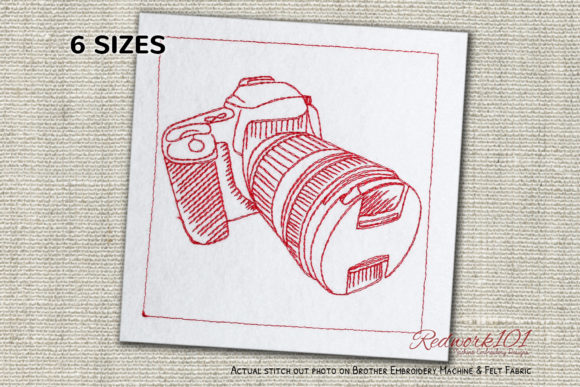
The immediate appeal of this machine embroidery design lies in its clean lines and structured layout. It avoids the clutter often found in complex tech-themed graphics, opting instead for a silhouette that is instantly recognizable. The mood it creates is professional yet playful, making it versatile enough for both serious photographer branding and casual hobbyist gifts. The shape is compact, which is a significant advantage when working with limited hoop space or smaller garments.
One specific detail caught my eye during the digital preview: the optional Box Stitch. The product description notes that the color of the outer box is different in most designs unless it is part of the design itself, and you can skip the color directly in your software. This flexibility is crucial for experienced embroiderers. It means we are not locked into a rigid color scheme. For a dark navy sweatshirt, I might choose to omit the outer box entirely to let the camera body pop, whereas on a light tote bag, that border could provide necessary definition. This level of control allows the design to adapt to various fabric textures and background colors without losing its integrity.
Real-World Application: The Custom Tote Bag Scenario
To truly evaluate a design, you must imagine it on a finished product. I recently worked on a custom order for a local photography club needing branded merchandise. They wanted something subtle enough for daily use but distinct enough to show pride in their craft. I chose to apply the Digital Camera design to a heavy canvas tote bag. This scenario tested the design’s ability to handle a textured surface.
Using a cut-away stabilizer to support the weave of the canvas, I stitched the design using a combination of satin stitch for the lens details and fill stitch for the camera body. The result was impressive. The stitch density was balanced well; it was not so dense that it caused puckering on the thick fabric, nor so sparse that the backing showed through. For an Etsy seller or small shop owner, this reliability is gold. You do not want to spend hours hooping a premium tote only to have the design look messy or distorted. This embroidery file performed with the consistency needed for batch production.
Versatility Across Product Lines
Beyond tote bags, this design shows promise in several other areas of custom apparel and home decor. For baby embroidery projects, such as a bib or a onesie for a photographer parent, the simplified shape works beautifully when scaled down. However, caution is required. When reducing the size, ensure that the tiny details of the lens and buttons do not merge into a blob. I recommend testing a smaller version on scrap fabric first to verify clarity.
For holiday embroidery gifts, such as personalized aprons for a cooking enthusiast who also loves photography, the design adds a nice thematic touch. It pairs well with text, allowing you to add a name or a witty phrase like "Shutter Bug" underneath. The linear nature of the camera shape provides a natural anchor for additional lettering, creating a cohesive composition rather than a disjointed arrangement of elements.
Technical Considerations and Fabric Compatibility
While the design is robust, it is not without its limitations. Understanding where to use it carefully is just as important as knowing where it shines. Here are some practical notes based on my testing:
- Fabric Texture: On highly textured fabrics like terry cloth or thick knits, the finer details of the camera lens may get lost. In these cases, increasing the stitch count slightly or using a higher contrast thread color can help maintain visibility.
- Stretchy Materials: If applying this to a stretchy t-shirt or cap, proper stabilization is non-negotiable. I recommend a tear-away stabilizer for woven caps and a cut-away for knit shirts to prevent distortion after washing.
- Dark Fabrics: When stitching on black or dark navy, thread choice becomes critical. Standard polyester threads might not offer enough sheen or contrast. Consider using rayon threads for a brighter finish or adding a subtle underlay stitch if your machine allows for customization to boost the foundation.
- Small Hoop Sizes: This design fits comfortably in standard 4x4 or 5x7 hoops, but if you are using a smaller 3x3 hoop, check the dimensions carefully. You may need to resize, which could impact the stitch density and clarity of the smallest elements.
Enhancing Brand Value and Customer Trust
For commercial embroidery projects, the quality of your design assets directly impacts your brand consistency. A clean, well-digitized image like this Digital Camera motif signals professionalism. When customers see crisp edges and consistent fill patterns, they perceive higher value in the handmade product. This is particularly important for boutique branding or when creating printable mockups for your online store. A sloppy stitch job can deter buyers, while a polished finished product encourages repeat business and positive reviews.
Moreover, the versatility of this design supports diverse marketing strategies. You can create a series of products targeting different niches: tech-savvy teens, professional photographers, or creative entrepreneurs. By offering this design on various items—from embroidered patches to pillow covers—you expand your market reach without needing to source entirely new graphics. It serves as a reliable staple in your library of design assets.
Final Designer Notes and Best Practices
Before launching this design into your production line, take a moment to review the technical specifics. Since the exact stitch count and file formats are not detailed in the basic description, I strongly advise checking these parameters in your embroidery software. Confirm that the file type matches your machine’s requirements, whether it is PES, DST, or another format.
Always test the design on scrap fabric that mimics your final product material. Check thread color contrast by viewing the design in black and white mode on your screen; if the details disappear in grayscale, they will likely struggle on low-contrast fabrics. Additionally, verify the licensing terms. While many digital embroidery files allow for commercial use on finished physical items, restrictions may apply to reselling the digital file itself or using it in mass-produced manufacturing.
In conclusion, the Digital Camera embroidery design is a solid addition to any designer’s toolkit. It offers a blend of aesthetic appeal and practical functionality that suits a wide range of applications. Whether you are creating a personalized gift for a friend or stocking your small shop with unique merchandise, this design provides the reliability and visual clarity needed to produce high-quality work. With careful attention to stabilizer choice and thread selection, it can become a standout element in your portfolio.