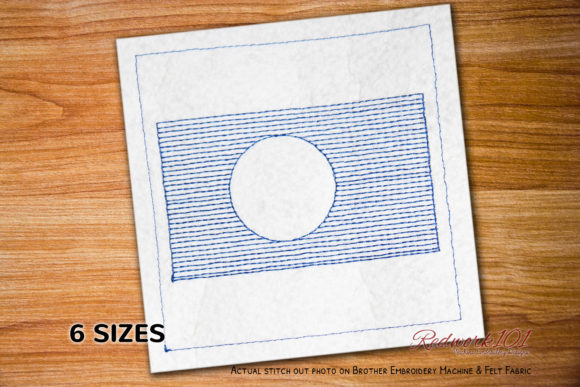
Reviewing the Wavy Malaysia Flag Redwork Design
As a designer who has spent countless hours digitizing and testing machine embroidery design files, I have learned that not all patriotic motifs are created equal. Some are too dense for delicate fabrics, while others lack the visual punch needed for commercial appeal. Recently, I evaluated the Wavy Malaysia Flag Redwork to determine its viability for real-world projects. My goal was not just to look at the preview image, but to imagine how this embroidery file would perform on actual garments and home goods. The result is a nuanced perspective on how this specific design fits into the workflow of an Etsy seller, a boutique owner, or a hobbyist looking to create meaningful handmade product items.
First Impressions and Visual Personality
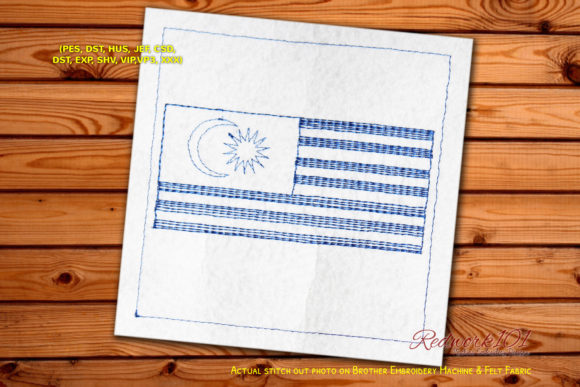
The immediate standout feature of the Wavy Malaysia Flag Redwork is its dynamic movement. Unlike static, rectangular flag representations, the wavy contour adds a sense of life and motion. This is crucial for Independence Day themed items, where the emotion of pride and celebration is central to the customer’s purchase decision. The redwork style, traditionally known for its single-color stitching, offers a clean, classic aesthetic that avoids the visual clutter often found in multi-colored flag designs.
In my assessment, the simplicity of the layout is its greatest strength. It allows the iconic crescent and star, along with the stripes, to remain recognizable even at smaller scales. For a designer, this means the motif is versatile. It does not scream for attention with excessive satin stitch bulk; instead, it relies on shape and line work. This makes it an excellent candidate for projects where subtlety is preferred over flashiness. The optional box stitch mentioned in the product details provides a framing element that can be skipped if you prefer a floating design, giving you creative control over the final composition.
Real-World Application: From Tote Bags to Sweatshirts
To truly test the potential of this design, I visualized it across several common embroidery project scenarios. Consider a canvas tote bag design. Canvas is a sturdy fabric that handles embroidery well, but heavy designs can cause puckering. Because the Wavy Malaysia Flag Redwork utilizes a lighter touch typical of redwork or running-stitch-based styles, it sits beautifully on tote bags without distorting the material. The wavy lines complement the casual, organic feel of a reusable bag, making it a perfect small shop product for local markets.
Moving to apparel, I imagined this on a heather grey sweatshirt embroidery project. Here, the contrast becomes key. If you are using a standard thread palette, ensuring your thread colors pop against the fabric is essential. On a dark navy sweatshirt, a bright red or white thread would make the flag unmistakable. The wavy shape breaks up the monotony of a chest logo, adding a decorative flair that feels more like a fashion statement than a uniform patch. This versatility is vital for custom apparel businesses that need to offer personalized options without reinventing the wheel for every order.
For baby embroidery, such as a onesie or a nursery pillow cover, the design’s lack of dense fill stitches is a significant advantage. Babies have sensitive skin, and heavy backing or thick stitching can be irritating. A lighter redwork style ensures the finished product remains soft and comfortable. However, one must be mindful of the stabilizer used. Even with a light design, a cut-away stabilizer might be necessary for stretchy baby knits to prevent the wavy lines from distorting after washing.
Navigating Technical Challenges and Fabric Choices
While the design is robust, it is not without its technical considerations. Any experienced embroiderer knows that fabric texture plays a massive role in outcome. On highly textured fabrics like terry cloth towels or thick fleece, fine details can get lost. The Wavy Malaysia Flag Redwork relies on clear lines to define the stripes and the crescent. If the fabric pile is too high, these lines may sink in. In such cases, I recommend using a water-soluble topping to keep the stitches on the surface, ensuring the design remains crisp and legible.
Another critical area is the hoop size. While the design is scalable, shrinking it too much for a small hoop size can compromise the integrity of the star and crescent. These elements need enough space to breathe. If you are creating an embroidered patch for a cap, ensure the dimensions are large enough so that the details do not merge into a blob. Caps present a curved surface, which can distort wide designs. The wavy nature of this flag actually helps here, as the curvature of the design can align with the curve of the cap panel, creating a harmonious look rather than a fighting one.
Regarding the optional box stitch, exercise caution on stretchy fabrics. If you choose to include the border, ensure your stitch density is appropriate. A dense box on a thin t-shirt can cause gathering. In many cases, skipping the box, as suggested in the product description, allows for a more modern, minimalist look that integrates better with contemporary fashion trends. This flexibility is a boon for design assets libraries, allowing you to adapt the same file for different client needs.
Commercial Value and Brand Consistency
For commercial embroidery professionals and digital embroidery file sellers, the value of this design lies in its broad appeal. Patriotism is a year-round sentiment in many contexts, not just limited to national holidays. By offering a stylish, non-traditional flag design, you differentiate your craft business from competitors using generic clip-art conversions. Customers are increasingly savvy; they recognize quality digitizing when they see it. Clean lines, proper underlay, and thoughtful layout contribute to customer trust and brand consistency.
When creating printable mockup images for your online store, the Wavy Malaysia Flag Redwork photographs well. Its distinct shape stands out against various backgrounds, making it easier to create compelling social media content. Whether you are selling the physical personalized gift or the digital file itself, the professional appearance of the design elevates the perceived value. It suggests that the creator understands both aesthetics and technical execution.
Practical Designer Notes for Best Results
Before committing to a full production run or listing the item for sale, always test the design on scrap fabric similar to your final material. Check the thread color contrast meticulously. A red flag on a red shirt will vanish; consider using metallic gold or white for a unique twist if appropriate for your brand. Verify the licensing terms provided by the designer to ensure you are compliant for commercial use. While many files allow for finished product sales, some restrict the resale of the digital file itself.
Additionally, inspect the small details after the test stitch. Are the points of the star sharp? Is the crescent smooth? If you notice jagged edges, you may need to adjust your machine tension or needle size. For dark fabrics, consider using a lighter bobbin thread to prevent show-through, although this is less of an issue with redwork styles than with dense fills. Finally, remember that presentation matters. A well-stitched Wavy Malaysia Flag Redwork on a quality garment speaks volumes about your craftsmanship, turning a simple holiday embroidery piece into a cherished keepsake.
In conclusion, this design offers a refreshing take on a classic symbol. It balances tradition with modern design sensibilities, making it a valuable addition to any embroiderer’s library. By understanding its strengths and respecting its technical requirements, you can create stunning, professional-quality items that resonate with customers and stand the test of time.