Review: United States of America Redwork for Real Projects
As a designer who spends more time staring at stitch maps than actual fabric, I have learned that not every patriotic design is created equal. Some are too dense for comfort, while others lack the visual punch needed to stand out on a crowded Etsy feed. Recently, I pulled up the United States of America Redwork file to evaluate it for an upcoming batch of custom orders. My goal was simple: determine if this design holds up under the scrutiny of real-world production, from hoop-up to final press.
The first impression of this machine embroidery design is one of clean, classic Americana. It avoids the clutter often found in holiday-themed graphics, relying instead on strong silhouettes and balanced negative space. For those of us running small shops or handling client commissions, this simplicity is a feature, not a bug. It translates well across various mediums without requiring excessive thread changes or complex color matching.
First Impressions and Visual Personality
When I loaded the United States of America Redwork into my editing software, the layout immediately struck me as versatile. The redwork style—traditionally using a single color thread on a neutral background—creates a vintage, handcrafted aesthetic that appeals to a wide demographic. It feels nostalgic yet modern, making it suitable for both traditional Independence Day merchandise and year-round patriotic decor.
The shape and detail level are moderate. It is not so intricate that it becomes a nightmare to stitch on textured fabrics, nor is it so sparse that it looks unfinished. This balance is crucial for maintaining stitching clarity. In a market saturated with low-quality digital embroidery files, a design that respects the limitations of the needle and thread stands out. The visual personality is confident; it does not scream for attention but rather invites a closer look, which is exactly what you want for a high-end handmade product.
Real-World Application: From Tote Bags to Sweatshirts
To truly test the viability of this design, I imagined several specific use cases. Let’s start with a custom tote bag design. Canvas is a forgiving fabric, but it has a distinct weave. The United States of America Redwork performs exceptionally here because the open areas of the design allow the fabric texture to breathe. If the stitch density were too high, the bag would pucker. Instead, the design sits flat, creating a professional finish that enhances the perceived value of the item.
Moving to apparel, consider sweatshirt embroidery. Fleece and cotton blends can be tricky due to their stretch and pile. I would recommend using a cut-away stabilizer to ensure the design remains stable over time. The redwork style works beautifully on heather grey or navy sweatshirts, offering a subtle pop of color that isn’t overwhelming. For custom apparel lines, this means you can offer a patriotic option that customers will actually wear long after July 4th has passed.
Another strong candidate is the embroidered patch. Patches require designs that are bold and readable from a distance. The clear outlines of the United States of America Redwork make it ideal for this application. Whether you are creating badges for a local club or adding accents to denim jackets, the design maintains its integrity even when scaled down, provided you stay within the recommended minimum size.
Navigating Fabric and Hoop Constraints
While the design is robust, it is not without its limitations. As an experienced reviewer, I must point out where caution is needed. If you are working with thin or stretchy fabric, such as a lightweight t-shirt or a baby onesie, you must pay close attention to your stabilizer choice. A no-show mesh or a soft cut-away is essential to prevent distortion. The design itself is not overly dense, but any embroidery pulls on delicate fabrics, and preparation is key to a smooth finished product.
Curved surfaces, like caps, present another challenge. The United States of America Redwork has a relatively wide footprint. Before committing to a cap project, check your hoop size compatibility. If the design is too wide for a standard cap frame, you may need to resize it, which could compromise the legibility of smaller details. Always test on a scrap piece of the same material first. This step saves time, thread, and frustration.
Additionally, consider the fabric color. While redwork traditionally implies red thread on white fabric, this design can be adapted. However, if you choose to stitch it on dark fabric, ensure your thread colors have enough contrast. A dark red on black will vanish. For dark garments, consider switching to a brighter red or even a white thread for a striking reverse effect. This flexibility allows you to expand your design assets library without purchasing new files.
Commercial Value and Brand Consistency
For Etsy sellers and craft business owners, the commercial appeal of this design lies in its professionalism. It does not look like a clip-art afterthought. It looks intentional. When customers see a clean, well-digitized design, they trust the quality of the entire product. This trust translates to higher conversion rates and better reviews.
Using the United States of America Redwork in your printable mockup previews can significantly boost engagement. The clean lines photograph well, allowing potential buyers to visualize the item in their homes or wardrobes. Whether you are selling holiday embroidery items or everyday patriotic gear, the consistent aesthetic helps build brand recognition. Customers begin to associate that clean, classic look with your shop.
Practical Designer Notes for Best Results
Before you start stitching, keep these practical tips in mind to ensure the best outcome for your embroidery project:
- Test on Scrap Fabric: Never skip this step. Check how the thread interacts with your specific material.
- Check Thread Contrast: Ensure your chosen thread color stands out against the background fabric.
- Review Stitch Density: If your machine allows, adjust tension settings to prevent puckering on lighter fabrics.
- Confirm Hoop Size: Make sure the design fits comfortably within your hoop with adequate margin for stabilization.
- Inspect Small Details: Zoom in on the digital file to ensure no tiny elements will get lost in the stitching process.
- Use Proper Stabilizer: Match the stabilizer to the fabric weight and stretch. This is non-negotiable for professional results.
- Verify Licensing: Always confirm the license terms for the digital embroidery file before selling finished items. Ensure you have the right to use it for commercial purposes.
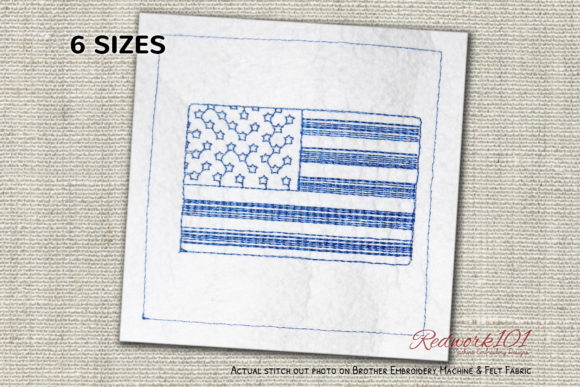
Note regarding the technical specifications: The product description mentions that "The Box Stitch shown in picture is optional" and that "The color of outer Box is different color in most of the designs unless it is part of the design itself, you can skip the color." This suggests flexibility in the digitizing. You may choose to omit the outer box for a cleaner look or change its color to match your brand palette. However, since exact stitch counts, file formats, and specific hoop size recommendations are not explicitly detailed in the provided text, I strongly advise checking the included documentation or contacting the digitizer for these specifics before beginning large-scale production.
Final Verdict
The United States of America Redwork is a solid addition to any designer’s library. It balances aesthetic appeal with practical stitchability. It is not just a seasonal novelty; it is a versatile design asset that can elevate tote bags, apparel, and home decor. For the small shop product creator, it offers a reliable way to produce high-quality, patriotic items that resonate with customers. By respecting the fabric choices and following proper stabilization techniques, you can turn this digital file into a standout personalized gift or a best-selling inventory item. It is a design that respects the craft, and in return, it rewards the maker with a polished, professional result.