Review: Happy Birthday Baby Card Redwork for Merch
As an embroidery designer who has spent years digitizing and testing files for commercial use, I approach every new machine embroidery design with a critical eye. It is not enough for a pattern to look cute on a screen; it must perform under the needle, withstand washing, and elevate the brand it represents. Recently, I evaluated the Happy Birthday Baby Card Redwork design to determine its viability for small business merchandise and branded applications. This review focuses on how this specific asset functions within a professional workflow, moving beyond simple decoration to become a tool for brand building.
First Impressions and Visual Personality
The immediate appeal of the Happy Birthday Baby Card Redwork lies in its simplicity. Redwork, by definition, relies on single-color stitching, often using a classic red thread on white or neutral fabric. This aesthetic screams "handmade," "rustic," and "traditional." For a small business owner, this visual language is powerful. It suggests care, nostalgia, and authenticity. Unlike complex, multi-colored logos that can look corporate or cold, this design feels approachable and warm.
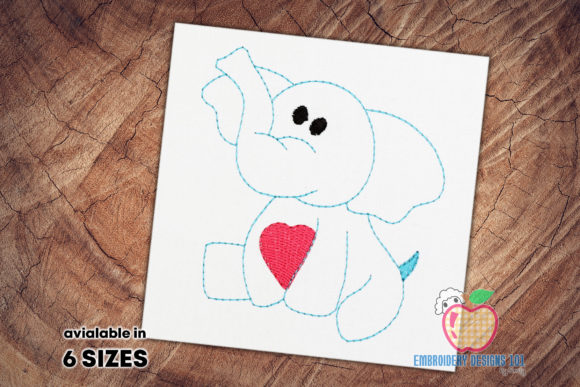
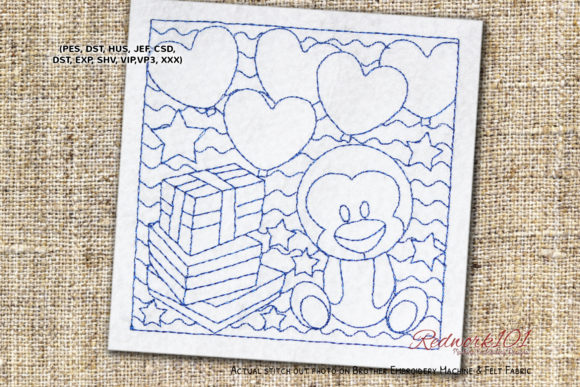
However, simplicity is a double-edged sword. In my initial assessment, I looked at the line weight and spacing. The description notes that the box stitch shown in promotional pictures is optional and that the outer box color may vary. This flexibility is crucial. It means the core design is likely versatile enough to stand alone without a border, which is essential for modern, minimalist branding. The design feels playful yet elegant, striking a balance that works well for boutiques, bakeries, and creative studios aiming for a friendly but premium image.
Real-World Applications for Small Business Merch
When integrating a new digital embroidery file into your product line, context is everything. Here is how I see the Happy Birthday Baby Card Redwork performing across various commercial embroidery projects:
- Embroidered Patches: This is perhaps the strongest use case. A redwork-style patch on a denim jacket or canvas tote adds a vintage charm. Because the design is likely low in stitch density compared to full-fill logos, it remains flexible and does not stiffen the fabric excessively.
- Apron Embroidery: For bakeries, florists, or craft workshops, aprons are walking billboards. Placing this design on the chest pocket or lower corner of a linen apron creates a subtle, sophisticated mark of quality. It signals to customers that the staff takes pride in their craft.
- Tote Bag Design: Canvas totes are staples for retail shops. The high contrast of red thread on natural canvas ensures visibility. The design serves as an excellent accent for gift-with-purchase items or event merch.
- Cap Embroidery: While possible, this requires caution. Curved surfaces distort designs. If the lettering or details are too fine, they may pucker. I recommend testing this on a structured cap front rather than a unstructured beanie to maintain shape integrity.
- Custom Apparel and Uniforms: For staff shirts, this design works best as a sleeve detail or a small chest logo. It avoids the "uniform" look of large back prints, offering a more boutique feel to employee attire.
Technical Considerations and Production Notes
Before running a production batch, any serious embroiderer must address technical variables. The product description mentions that you can skip certain color stops, specifically regarding the outer box. This implies the file is layered. Here are my practical notes for ensuring a high-quality finished product:
- Test in Black and White First: Before committing to red thread, stitch the design out in black on white fabric. This reveals any gaps in coverage, jumping threads, or spacing issues without the distraction of color. If it looks clean in monochrome, it will look great in red.
- Check Stitch Density: Redwork should be light. If the digitizer has packed too many stitches into the lettering or outlines, the fabric will pucker. Always check the stitch density settings in your software. For lightweight fabrics like cotton poplin, you may need to reduce density further.
- Stabilizer Selection: Because this design is likely used on varied textiles, your choice of stabilizer is critical. For knit fabrics (like t-shirts), use a cut-away stabilizer to prevent distortion over time. For woven fabrics (like aprons or totes), a tear-away may suffice, but a light fusible interfacing can add extra crispness to the lines.
- Hoop Size and Placement: Confirm the required hoop size before purchasing. If the design is small, ensure your machine can handle the precision. For caps, you will need a cap frame. Always create a printable mockup to show clients exactly where the design will sit on the garment.
- Fabric Texture: Redwork highlights the texture of the fabric. On rougher materials like burlap or heavy canvas, the lines may appear thicker or slightly irregular. This can be a desirable rustic effect, but it must be intentional. On smooth sateen or silk, the lines will be sharp and precise.
Brand Identity and Customer Trust
Why does this matter for your bottom line? Consistent use of high-quality design assets builds brand identity. When a customer receives a package with a beautifully embroidered tag or a tote bag featuring the Happy Birthday Baby Card Redwork, it elevates the perceived value of the entire transaction. It transforms a simple purchase into a memorable experience.
In the realm of small business merch, differentiation is key. Many competitors use printed vinyl or cheap transfers. By investing in proper embroidery, you signal durability and craftsmanship. This design, with its classic redwork style, taps into a sense of tradition and reliability. It tells the customer that your brand cares about details. Whether used for Birthdays specific promotions or year-round branding, the emotional connection fostered by handmade aesthetics drives customer loyalty and engagement.
Where to Use Caution
While versatile, this design is not a one-size-fits-all solution. Avoid using it on dark uniforms unless you are prepared to switch thread colors to white or yellow for contrast, which changes the "redwork" aesthetic entirely. Additionally, be wary of using it on items that undergo industrial laundering with harsh chemicals, as thin red threads can fade faster than darker colors if not high-quality rayon or polyester. Always wash-test your samples.
Furthermore, if the design includes tiny lettering, it may not hold up at very small patch sizes. If you plan to shrink it below two inches, inspect the legibility closely. You may need to simplify the file or remove intricate elements to maintain clarity.
Final Verdict for Commercial Use
The Happy Birthday Baby Card Redwork is a strong contender for businesses looking to add a touch of handmade warmth to their custom apparel and accessories. It is not just a decorative element; it is a strategic branding tool. However, success depends on execution. Do not assume the file is ready for mass production straight out of the download folder. Test it, tweak your tension, choose the right stabilizer, and verify the licensing terms for commercial embroidery use.
By treating this embroidery file as a component of your broader brand strategy, you can create merchandise that resonates with customers. Whether it is adorning a barista’s apron or sealing a gift box, this design offers a blend of professionalism and playfulness that modern consumers crave. Just remember to check the specific file details regarding the optional box stitch and color stops to ensure your final output matches your vision perfectly.