Review: Animal Paw and Hand Design for Real Projects
As a designer who has spent years digitizing patterns and testing them on everything from flimsy silk to heavy denim, I have learned that a pretty preview image is rarely enough. The true test of any machine embroidery design happens under the needle. Recently, I pulled the Animal Paw and Hand Design into my workflow to evaluate its potential for a batch of custom orders. This was not just a casual browse; I needed to know if this asset could hold up in a commercial setting, specifically for a line of personalized gifts I am developing for a local boutique.
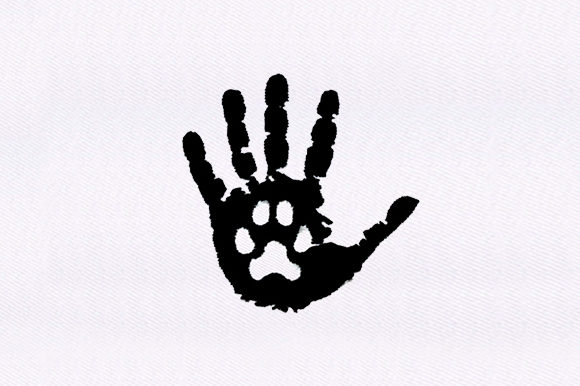
The first impression of the Animal Paw and Hand Design is one of warmth and connection. It captures a simple yet profound moment: the overlap of a human hand and an animal paw. This imagery resonates deeply within the Animal Quotes category, even without text, because it visually communicates loyalty, friendship, and care. For embroidery designers and Etsy sellers, this emotional hook is invaluable. It transforms a standard embroidery project into a sentimental keepsake. The layout is balanced, avoiding the clutter that often plagues complex designs, which suggests it will stitch out cleanly on a variety of garments.
Real-World Application: The Tote Bag Test
To gauge its practicality, I imagined this design applied to a canvas tote bag. Tote bags are a staple for small shop products and craft fairs, but they present unique challenges due to the weave of the fabric. I visualized the Animal Paw and Hand Design centered on the front panel. The interplay between the human hand and the paw offers a great opportunity for creative thread work. Using a contrasting satin stitch for the outlines and a lighter fill stitch for the interior details could create a textured, tactile feel that customers love to touch.
In this scenario, the design serves as a focal point for a personalized gift. Imagine adding a pet’s name beneath the paw or the owner’s name near the hand. This customization elevates the item from a generic accessory to a bespoke handmade product. For craft business owners, this versatility is key. The same digital embroidery file can be marketed for pet lovers, veterinary staff appreciation gifts, or family memorial items. The emotional weight of the imagery supports higher price points because the perceived value is tied to sentiment, not just labor.
Performance on Apparel and Textiles
Moving beyond accessories, I considered how this design would perform on custom apparel. A heather grey sweatshirt is a classic canvas for this type of imagery. The Animal Paw and Hand Design has a organic flow that complements the soft drape of fleece. However, attention must be paid to stitch density. If the design is too dense, it can cause puckering on stretchy fabrics. I recommend using a cut-away stabilizer for knitwear to ensure the design remains stable after repeated washing and wearing.
For baby embroidery projects, such as onesies or burp cloths, the scale of the design becomes critical. The gentle theme fits perfectly for nursery decor or welcome-home gifts. Yet, one must ensure that the thread colors are soft and appealing. Pastels work well here, but contrast is still necessary for visibility. A pale pink paw on a white onesie might get lost, so choosing a slightly deeper shade for the outline ensures the finished product looks professional and crisp.
When applying this to structured items like caps, the curvature of the fabric demands careful hoop placement. The Animal Paw and Hand Design should be centered carefully to avoid distortion. Caps are unforgiving; any misalignment is immediately visible. Therefore, this design is best suited for flat or slightly curved surfaces unless you have advanced experience with 3D puff embroidery or cap-specific digitizing adjustments.
Navigating Fabric and Technical Challenges
No design is universal, and honest review requires acknowledging limitations. The Animal Paw and Hand Design may struggle on very thin or slippery fabrics like chiffon or lightweight rayon without proper stabilization. In these cases, a tear-away stabilizer might not provide enough support, leading to shifting during stitching. For textured fabrics like terry cloth towels, the finer details of the fingers or paw pads might get lost in the pile. Here, simplifying the color palette and increasing the contrast between the running stitch outlines and the fill areas can help maintain clarity.
Dark fabrics present another consideration. If you are stitching on black denim or navy blue, light-colored threads are essential. However, some embroidery file formats may not automatically adjust for background contrast. It is wise to test the design on scrap fabric first. Check how the satin stitch edges lay against the dark background. If the design relies on subtle shading, it might appear muddy on dark materials. In such cases, opting for bold, solid colors rather than gradient blends ensures the image remains recognizable and impactful.
Commercial Viability and Brand Consistency
For commercial embroidery and digital product sellers, consistency is brand currency. The Animal Paw and Hand Design offers a clean aesthetic that aligns well with modern, minimalist branding. It does not look dated or overly cartoonish, which broadens its appeal across different demographics. When creating printable mockup assets for online listings, this design photographs well because of its clear lines and recognizable shapes. High-quality photos of the stitched result can significantly boost buyer engagement and trust.
Before selling items made with this design, it is crucial to confirm the licensing terms. While the product description lists numerous formats like DST, PES, and JEF, it does not explicitly state commercial rights. Always verify whether the license allows for selling finished physical goods or if it is restricted to personal use. This step protects your small business from legal issues and ensures ethical practice within the creative community.
Practical Designer Notes for Best Results
To get the most out of the Animal Paw and Hand Design, follow these practical steps:
- Test on Scrap Fabric: Always run a test stitch on the same material and layering you intend to use for the final product. This reveals tension issues and density problems early.
- Check Thread Contrast: Use high-contrast thread colors for the initial test to inspect stitch quality. Once satisfied, switch to your desired aesthetic palette.
- Verify Hoop Size: Ensure the design fits comfortably within your hoop with adequate margin for stabilization. Do not crowd the edges.
- Inspect Small Details: Zoom in on the digital preview to check for tiny elements that might break or bunch up. Simplify if necessary by removing unnecessary micro-stitches.
- Use Proper Stabilizer: Match the stabilizer to the fabric. Cut-away for knits, tear-away for wovens, and wash-away for delicate or sheer fabrics.
- Review File Formats: The design comes in multiple formats including ART, CND, DST, EXP, HUS, JEF, PCS, PEC, PES, VIP, VP3, and XXX. Choose the format native to your machine for optimal performance.
In conclusion, the Animal Paw and Hand Design is a versatile and emotionally resonant asset for any embroidery professional. Whether used for holiday embroidery gifts, embroidered patch collections, or tote bag design series, it offers a strong foundation for creative expression. By understanding its technical requirements and leveraging its thematic strength, designers can create high-value design assets that resonate with customers and stand the test of time. It is a reliable choice for those looking to add a touch of warmth and professionalism to their Embroidery portfolio.