Cute Dinosaur 3: A Designer’s Review for Real Projects
As a designer who spends more time staring at stitch simulations than I do sleeping, I have learned that not all digital files translate well to fabric. Some look perfect on a screen but turn into a tangled mess of thread breaks and puckering once the needle hits the cloth. When I first loaded Cute Dinosaur 3 into my software, I was looking for that specific balance between charm and technical feasibility. This isn’t just about whether a design looks cute; it is about whether it holds up under the scrutiny of a paying customer and the mechanical stress of an embroidery machine.
First Impressions and Visual Personality
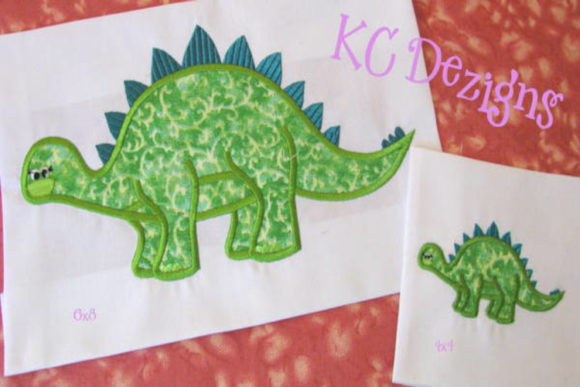
The immediate mood of Cute Dinosaur 3 is playful and approachable. In the world of Dinosaurs, designs often lean toward realistic or aggressively cartoonish extremes. This piece sits comfortably in the middle, offering a soft, friendly aesthetic that appeals to a broad demographic. The layout is compact, which is crucial for versatility. Whether you are working with a small 4×4 hoop or expanding to a 5×7 or 6×8 area, the proportions remain consistent. The visual personality suggests warmth, making it an ideal candidate for items meant to comfort or delight, such as baby blankets, nursery decor, or personalized gifts for children.
From a technical standpoint, the design relies heavily on clean lines and defined shapes. As an applique design, it requires precise placement of fabric patches before the final satin or running stitches secure the edges. This technique reduces bulk, which is a significant advantage when working with layered garments like sweatshirts or thick tote bags. The contrast between the applique fabric and the background stitching creates depth, giving the finished product a professional, boutique-quality look without excessive stitch density.
Real-World Application: The Custom Tote Scenario
To truly evaluate this machine embroidery design, I imagined a common client request: a custom canvas tote bag for a young child’s library visits. Canvas is a sturdy fabric, but it can be unforgiving if the stabilizer choice is wrong. I visualized placing Cute Dinosaur 3 in the center of the bag. The 5×7 hoop size would be perfect here, allowing the dinosaur to be prominent without overwhelming the bag’s structure.
In this scenario, the applique nature of the design shines. Instead of thousands of fill stitches that might stiffen the canvas unnecessarily, the fabric patch provides the color mass. The surrounding stitches, likely a combination of satin and running stitches, frame the shape neatly. For an Etsy seller or small shop owner, this efficiency matters. It means faster run times and less thread consumption, directly impacting profit margins. Furthermore, the durability of an applique holds up better to frequent washing and heavy use compared to dense fill areas, ensuring the finished product remains vibrant for years.
Navigating Fabric and Hoop Constraints
While Cute Dinosaur 3 is versatile, it is not universal. Experience teaches us that every design has its limitations. The availability of three hoop sizes—4×4 (100×100 mm), 5×7 (180×130 mm), and 6×8—offers flexibility, but each size demands different considerations.
- Small Hoop Sizes: In the 4×4 hoop, the design becomes compact. This is excellent for baby onesies or small pockets on jeans. However, you must ensure your machine’s precision is calibrated. Tiny details can get lost if the needle registration is even slightly off.
- Textured and Stretchy Fabrics: If you are applying this to a fuzzy fleece or a stretchy knit, the applique method helps, but you must use a cut-away stabilizer. A tear-away might not provide enough support for the satin stitch edges, leading to waviness over time.
- Dark Fabrics: When stitching on dark backgrounds, consider using a lighter-colored applique fabric to make the dinosaur pop. Alternatively, if the design includes outline stitches, ensure high-contrast thread colors are selected to maintain visibility.
For curved surfaces like caps, the 4×4 version is the safest bet. Embroidering on a curved brim requires a design that does not span too wide, preventing distortion. Cute Dinosaur 3 fits this requirement well, provided you use a cap frame and appropriate backing.
Enhancing Product Value and Brand Consistency
For creative entrepreneurs, the choice of design assets reflects brand identity. Using a well-executed embroidery file like this one signals professionalism. Customers may not know the technical terms, but they recognize quality. Clean edges, proper tension, and thoughtful color combinations build trust. When a buyer receives a personalized gift featuring Cute Dinosaur 3, the tactile experience of the applique adds perceived value. It feels substantial and crafted, not mass-produced.
This design also supports brand consistency for shops specializing in children’s items or whimsical home goods. By pairing this dinosaur with complementary fonts or motifs, you can create cohesive collections. For example, combining it with simple block lettering for names creates a classic baby embroidery look that never goes out of style. It is a reliable asset for holiday embroidery projects, back-to-school apparel, or birthday gifts.
Practical Notes for the Embroiderer
Before committing to a full production run or a client order, always follow these practical steps:
- Test on Scrap Fabric: Never skip the test stitch. Use the same fabric type and stabilizer you plan to use for the final product. Check for puckering, thread breaks, or registration issues.
- Check Thread Contrast: View your design in black and white within your software. If the details disappear, you need to adjust your thread colors or fabric choice to ensure clarity.
- Verify Licensing: If you are selling custom apparel or embroidered patches, confirm the license terms associated with the digital embroidery file. Ensure you have commercial rights if you are a craft business owner.
- Inspect Small Details: Zoom in on the preview. Look for tight corners or very short stitches that might cause bird’s nests. Minor edits in your software can prevent major headaches on the machine.
Final Verdict for Makers and Sellers
Cute Dinosaur 3 is a solid addition to any designer’s library. It balances aesthetic appeal with technical practicality. The applique format makes it efficient for production, while the charming subject matter ensures marketability. Whether you are creating a single holiday gift or stocking your small shop product line, this design performs reliably across various applications. It respects the constraints of different hoop sizes and fabric types, making it a versatile tool for both hobbyists and professional commercial embroidery operators. By paying attention to stabilizer choices and thread contrasts, you can maximize the potential of this design asset and deliver high-quality, durable products that customers will love.