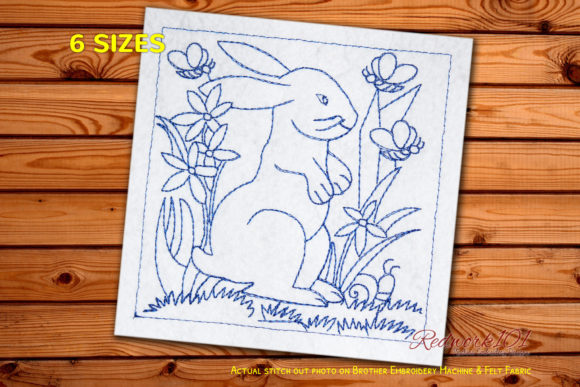
Rabbit Sitting in Garden Redwork: A Designer’s Review
As an embroidery designer who has spent years digitizing and reviewing files for commercial use, I approach every new machine embroidery design with a critical eye. It is not just about whether the image looks cute on a screen; it is about how that design performs under the needle, how it translates to fabric, and ultimately, how it serves the brand identity of the small business owner purchasing it. Today, I am reviewing the Rabbit Sitting in Garden Redwork, a piece categorized under Wild Animals, to determine its viability for branded merchandise, patches, and custom apparel.
The first impression of this design is one of understated elegance. Redwork, by definition, relies on a single thread color to create line-art imagery, which gives it a classic, rustic, and handmade aesthetic. For a small business owner, this is a powerful tool. It does not scream for attention with neon gradients or complex shading; instead, it invites the viewer to appreciate the craftsmanship. The subject—a rabbit sitting in a garden—evokes feelings of tranquility, nature, and gentleness. This makes it an excellent candidate for brands in the bakery, florist, pet care, or boutique retail sectors where a soft, approachable image is crucial for customer trust.
Visual Personality and Brand Alignment
When integrating Rabbit Sitting in Garden Redwork into your product line, consider the emotional response you want to trigger. This design feels premium yet playful. It is not overly cartoonish, which allows it to sit comfortably in more sophisticated markets, such as high-end linen shops or artisanal cafés. However, it retains enough whimsy to appeal to families and children. This duality is rare in Embroidery designs and makes it a versatile asset for your digital library.
For handmade brands, particularly those selling on platforms like Etsy, consistency is key. If your brand identity leans toward organic materials, sustainability, or slow fashion, this redwork style aligns perfectly. It complements natural fibers like cotton, linen, and canvas without overwhelming the texture of the material. Unlike dense, satin-stitch logos that can feel heavy or plastic-like, redwork breathes with the fabric, enhancing the perception of quality in the finished product.
Real-World Applications for Small Business Merch
The true test of any digital embroidery file is its application. Here is how I envision this design performing in real commercial scenarios:
- Embroidered Patches: This is perhaps the strongest use case. A redwork rabbit makes for a charming iron-on or sew-on patch. Because the design is linear, it avoids the bulk associated with fill stitches, making the patch flexible and comfortable when attached to jackets or bags.
- Apron Embroidery: For bakeries, florists, or craft studios, staff uniforms are walking billboards. Placing this design on the chest pocket or lower corner of an apron adds a touch of personality without looking cluttered. It suggests care and attention to detail, qualities customers associate with handmade goods.
- Tote Bag Design: Canvas tote bags are a staple of small business merch. The simplicity of the rabbit silhouette works beautifully on the rougher texture of canvas. It provides a subtle branding element that customers will actually want to wear and use, increasing brand visibility.
- Cap Embroidery: While possible, caps require caution. The curved surface of a baseball cap can distort intricate lines. If using this on headwear, ensure the design is scaled appropriately so the garden elements do not become indistinguishable blobs.
Technical Considerations and Production Notes
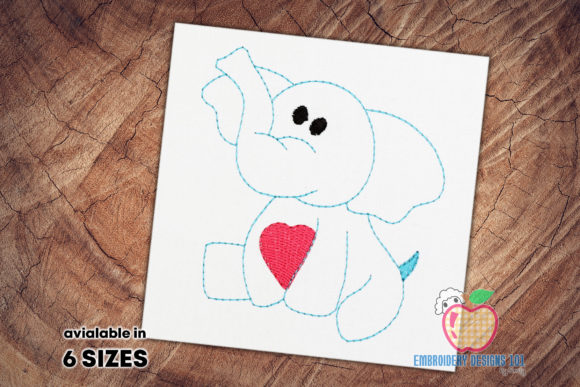
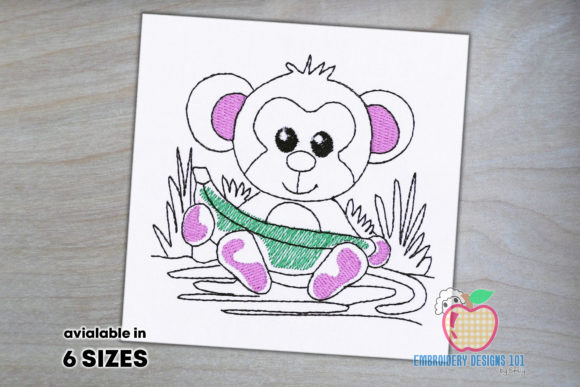
From a technical standpoint, working with redwork requires precision. Since there are no fill stitches to hide imperfections, every stitch must land exactly where it should. When reviewing the Rabbit Sitting in Garden Redwork, pay close attention to the description note: "The Box Stitch shown in picture is optional. The color of outer Box is different color in most of the designs unless it is part of the design itself, you can skip the color dir."
This instruction is vital for production efficiency. If you are creating a monochromatic look, skipping the optional box stitch simplifies the process and reduces thread breaks. However, if you choose to include the box, ensure you select a thread color that contrasts sufficiently with your base fabric. Always check the specific stitch density and hoop size requirements provided by the digitizer before loading the file. These details are not always standardized across all vendors, so verifying them prevents costly errors during production.
Fabric texture plays a significant role here. On smooth fabrics like broadcloth or polished cotton, the lines will appear crisp and defined. On textured fabrics like towel or heavy denim, the fine lines of the garden details might get lost. In such cases, I recommend using a cut-away stabilizer to provide a firm foundation, ensuring the stitches do not sink into the pile of the fabric.
Where to Use Caution
While versatile, this design is not without its limitations. Small business owners should be careful when scaling the design down for tiny applications, such as a small chest logo on a fitted shirt or a tag label. Fine lines in redwork can merge if the design is too small, resulting in a muddy appearance. Always create a printable mockup at actual size to verify legibility before stitching.
Additionally, consider the durability requirements of the item. Items that undergo frequent industrial washing, such as healthcare uniforms or heavy-duty work shirts, may experience thread wear faster with redwork than with dense satin borders. If durability is the primary concern, consider adding a subtle border or using a higher-weight thread to reinforce the outlines.
Enhancing Customer Engagement and Value
Ultimately, the goal of using Rabbit Sitting in Garden Redwork is to enhance your brand’s value proposition. A well-executed embroidered item signals quality. It tells the customer that you invest in tangible, lasting products rather than disposable prints. This perception increases the perceived value of your custom apparel and accessories, allowing for healthier profit margins.
Furthermore, unique design assets like this help differentiate your brand in a saturated market. When a customer sees a beautifully embroidered rabbit on a tote bag or apron, it creates an emotional connection. It feels personal and curated, fostering loyalty and encouraging social sharing. In the age of digital noise, tactile branding stands out.
Final Designer Recommendations
Before launching this design in your store, follow these practical steps:
- Test in Black and White: Stitch the design in black thread on white fabric first. This reveals any spacing issues or jump stitches that might be hidden by colorful threads.
- Verify Commercial Licensing: Ensure your purchase of the embroidery file includes rights for commercial use. Never assume; always read the license terms to protect your business legally.
- Create Client Mockups: If you are doing custom work for clients, show them a digital mockup of the rabbit on their specific garment color. This manages expectations and reduces revision requests.
- Check Thread Contrast: Select thread colors that harmonize with your brand palette but still offer enough contrast against the fabric to ensure the garden details are visible.
In conclusion, Rabbit Sitting in Garden Redwork is a strong contender for small businesses looking to add a touch of rustic charm to their merchandise. It balances professionalism with playfulness, making it suitable for a wide range of applications from patches to aprons. By paying attention to technical details like stabilizer choice and scale, you can leverage this design to create high-quality, engaging products that resonate with your customers. Treat it not just as a decoration, but as a strategic component of your brand’s visual language.