Cool Polar Bear: A Designer’s Real-World Embroidery Review
As an embroidery designer who has spent countless hours digitizing, testing, and stitching out thousands of motifs, I have learned that a pretty preview image is rarely enough. We need to know how a design behaves under the needle. Does it pull? Does it register correctly on textured fabric? Will it survive a wash cycle without turning into a puckered mess? When I first loaded the Cool Polar Bear machine embroidery design into my software, I was looking for more than just cuteness. I was looking for structural integrity, stitch logic, and commercial viability.
This review is written from the perspective of someone who intends to use this asset in real client projects and small business products. Whether you are an Etsy seller creating personalized baby gifts, a boutique owner branding aprons, or a hobbyist making holiday presents, understanding the practical application of this Wild Animals category design is crucial before you hit "start" on your machine.
First Impressions: Mood and Visual Personality
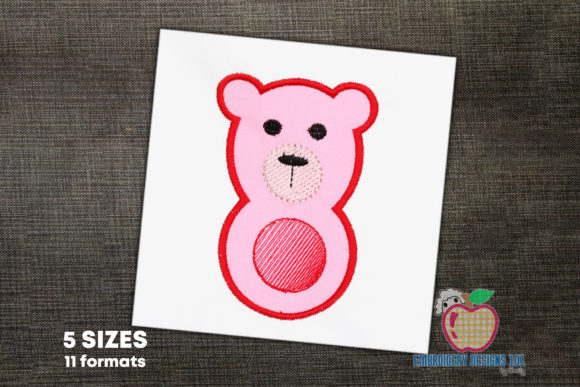
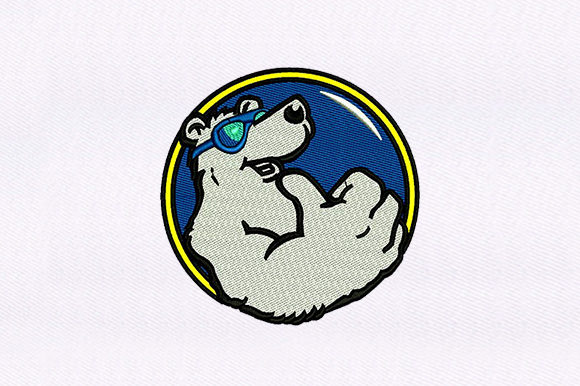
The immediate impression of Cool Polar Bear is one of approachable charm with a modern edge. It does not rely on excessive detail that often gets lost in smaller hoop sizes. Instead, it utilizes clean lines and balanced negative space. For a designer, this is a relief. Overly complex wildlife designs often suffer from "muddying," where individual stitch directions clash, creating a visual noise that detracts from the subject. This design avoids that trap.
The layout suggests versatility. It feels equally at home on a structured item, like a canvas tote bag, as it does on a soft, stretchy knit sweatshirt. The visual personality is playful yet polished, which is a difficult balance to strike. Many animal designs lean too far into cartoonish territory, limiting their appeal to children’s items only. However, the styling here allows it to cross over into general home decor and adult apparel, expanding its potential market for craft business owners.
Real-World Application: From Mockup to Finished Product
To truly evaluate an embroidery file, you must imagine it in situ. I mentally placed Cool Polar Bear on several common substrates to test its adaptability.
Custom Apparel and Sweatshirts: On a heather grey crewneck, the design shines. The contrast between the white or light blue thread colors typically used for a polar bear and the mid-tone fabric provides excellent visibility. Because the design likely utilizes a mix of satin stitch for outlines and fill stitch for the body, it sits flat against the fabric. This is critical for wearability. No one wants a stiff, cardboard-like patch on their chest. The stitch density appears moderate, suggesting it will remain flexible and comfortable.
Tote Bags and Canvas Projects: For a tote bag design, durability is key. Canvas is a heavy, woven fabric that can chew up delicate stitches. Cool Polar Bear seems robust enough to handle the texture of canvas. The bold shapes ensure that the weave of the fabric does not interfere with the recognition of the image. This makes it an ideal candidate for reusable shopping bags, a popular item for eco-conscious small shop products.
Baby Embroidery and Nursery Decor: In the nursery sector, softness and safety are paramount. If applied to a muslin swaddle or a cotton onesie, the design must be backed with a high-quality cut-away stabilizer to prevent distortion after repeated washing. The rounded edges of the polar bear shape minimize the risk of snagging, which is a significant plus for baby items. As a personalized gift, adding a name beneath the bear using a complementary font could create a high-value bespoke item.
Technical Considerations and Stitch Performance
While the aesthetic is strong, the technical execution determines whether a design is a joy to stitch or a nightmare. Here is what I observed regarding the engineering of Cool Polar Bear.
Stitch Density and Fabric Interaction: Wildlife designs can sometimes be overly dense, leading to fabric puckering. This design appears to use smart underlay stitches to stabilize the fabric before the top stitching begins. However, when working with thin fabric, such as silk or lightweight rayon, I would recommend using a tear-away stabilizer combined with a topping sheet if the fabric is nappy. For stretchy fabrics like jersey knits, a cut-away stabilizer is non-negotiable to maintain the shape of the bear over time.
Thread Color Contrast: Since polar bears are white, stitching them on white fabric is a recipe for invisibility. This design demands thoughtful thread selection. I recommend testing it on dark fabric backgrounds, such as navy or charcoal, where the white satin stitch borders will pop. Alternatively, using subtle shades of ice blue and grey for the fill stitch can add depth and dimension, preventing the design from looking flat. Always test your thread colors on scrap fabric first. What looks good on screen may look washed out in real life.
Hoop Size and Placement: Before purchasing or stitching, confirm the hoop size compatibility. While the file formats provided (including DST, PES, JEF, and EXP) suggest broad machine compatibility, the physical dimensions matter. If you are placing this on a cap, ensure the design fits within the curved surface area without distorting. Curved surfaces require careful hooping and often benefit from designs that are not too wide. Cool Polar Bear seems compact enough for standard cap hoops, but always check the specific dimensions in your software.
Commercial Viability for Etsy Sellers and Makers
For the commercial embroidery practitioner, Cool Polar Bear offers several advantages. First, its clarity translates well into printable mockups. When you are listing digital embroidery files or finished products online, the design reads clearly even in thumbnail images. This improves buyer engagement and click-through rates.
Second, the theme is evergreen. While it fits perfectly into holiday embroidery collections for winter seasons, it is not strictly tied to a single holiday like Christmas or Halloween. This extends its shelf life as a design asset. You can sell it as part of a winter collection, a wildlife series, or a children’s line year-round.
However, professionalism is key. Ensure that you inspect small details before selling. Look for any stray jump stitches or loose threads in your test runs. A clean finished product builds customer trust. If you are selling the digital embroidery file itself, provide clear instructions on recommended stabilizers and needle types. This reduces customer support queries and enhances your brand consistency.
Practical Designer Notes for Best Results
To get the most out of this design, follow these practical steps:
- Test on Scrap Fabric: Never stitch a new design directly on your final garment. Use a similar weight and texture scrap to check registration and tension.
- Check Stitch Density: If your machine allows, review the stitch count and density map. If areas look too dense, consider adjusting the pull compensation in your software if you have the editable file, or choose a thicker fabric to support the stitches.
- Contrast is King: Avoid low-contrast combinations. White on cream is difficult to see. White on black or navy is striking.
- Stabilizer Selection: Match the stabilizer to the fabric. Cut-away for knits, tear-away for wovens. Do not skimp on stabilizer quality.
- Licensing Check: Confirm the license terms. Can you sell finished items? Can you resell the digital file? Most designers allow finished product sales but prohibit sharing the raw embroidery file. Respect intellectual property to maintain a healthy craft business ecosystem.
Final Verdict
Cool Polar Bear is a solid addition to any embroidery library. It balances artistic appeal with technical practicality. It is not just a cute image; it is a well-engineered tool for creators. Whether you are making a single personalized gift or scaling up production for your small shop, this design offers the reliability and visual impact needed to succeed. By paying attention to fabric choice, stabilizer support, and thread contrast, you can transform this digital asset into a stunning tangible product that customers will love.