Ship in Ocean Water for Travel Redwork Review
As a designer who has spent countless hours hooping, stitching, and troubleshooting machine embroidery design files, I have learned that the best designs are not always the most complex. Sometimes, simplicity is the ultimate sophistication. This is exactly what struck me when I first loaded Ship in Ocean Water for Travel Redwork into my digitizing software. It is a clean, thematic piece that captures the essence of nautical adventure without relying on heavy fill stitches or excessive thread consumption.
In this review, I am evaluating this design not just as a digital asset, but as a practical component for real-world embroidery project execution. Whether you are an Etsy seller looking to expand your summer collection or a hobbyist making a personalized gift, understanding how this design behaves on fabric is crucial before you commit to production.
First Impressions: Mood and Visual Personality
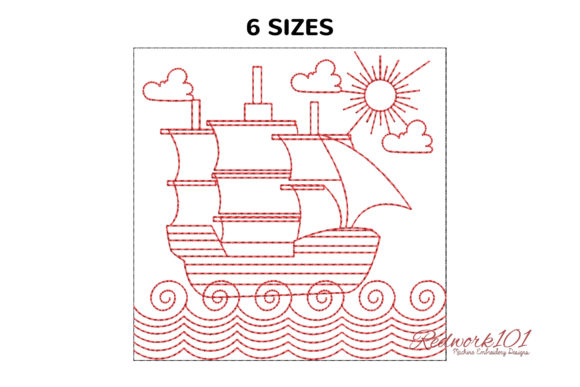
The immediate appeal of Ship in Ocean Water for Travel Redwork lies in its classic redwork aesthetic. Redwork traditionally utilizes a single color—usually red—on a white or neutral background, creating a striking high-contrast look that feels both vintage and modern. The silhouette of the ship is distinct, with clear lines that suggest movement across the waves. It evokes a sense of wanderlust and calm, making it an ideal motif for Transportation themed collections.
The layout is balanced, with the vessel sitting comfortably above the stylized water lines. This spacing is critical. In my experience, designs that crowd the bottom edge often get lost in seam allowances or hem folds. This design leaves enough breathing room, which gives you flexibility in placement. The optional box stitch mentioned in the description is a thoughtful addition. It allows you to frame the design if you want a patch-like appearance, or skip it for a more organic, floating look on garments.
Real-World Application: From Digital File to Finished Product
To truly test the viability of this embroidery file, I considered several common applications where a nautical theme thrives. The versatility of this design makes it a strong contender for various small shop product lines.
- Tote Bag Design: This is perhaps the most natural fit. A canvas tote bag provides a stable, flat surface that showcases the crisp lines of the ship. The redwork style pops beautifully against natural cotton or beige canvas, creating a chic, beach-ready accessory.
- Sweatshirt Embroidery: Placing this design on the left chest of a navy or heather grey sweatshirt creates a subtle, boutique-style look. Because it is likely composed of running stitches rather than dense satin or fill stitches, it remains soft and flexible, avoiding the "cardboard" feel that heavy embroidery can sometimes cause on knit fabrics.
- Baby Embroidery: For nursery decor or baby onesies, the simple shapes are visually appealing to infants and parents alike. However, care must be taken with hoop size and stabilizer choice to ensure the delicate fabric does not pucker.
- Embroidered Patch: If you utilize the optional box stitch, this design translates well into an iron-on or sew-on patch. This allows customers to add a custom touch to denim jackets or backpacks, increasing the perceived value of your handmade product.
Technical Considerations and Stitching Performance
While the visual appeal is strong, the technical execution determines whether a design becomes a bestseller or a return item. Here is what you need to know about stitching Ship in Ocean Water for Travel Redwork in a production environment.
Stitch Density and Fabric Texture
Redwork designs typically rely on running stitches. This means the stitch density is lower than a standard satin stitch column. On tightly woven fabrics like quilting cotton or linen, this looks excellent. However, on textured fabrics like terry cloth towels or loose-weave linens, the stitches may sink in or appear uneven. I strongly recommend using a cut-away stabilizer for knits and a tear-away for wovens to support the stitch structure.
Thread Colors and Contrast
The traditional red-on-white combination is iconic, but do not limit yourself. This design works exceptionally well in navy blue on white for a preppy look, or white on denim for a subtle, tonal effect. Always test your thread colors on scrap fabric first. What looks vibrant on your screen may appear muted once stitched, depending on the sheen of the thread and the lighting of your workspace.
Hoop Size and Placement
Since specific dimensions are not provided in the basic description, you must check the actual hoop size requirements in your digitizing software before purchasing. If the design is large, it may require a 5x7 or larger hoop. For smaller items like caps or baby bibs, ensure the design scales down without losing detail. Tiny corners in the ship’s sails or the wave tips can become cluttered if the design is reduced too much.
Navigating Challenges: Where to Use Caution
No design is universal, and Ship in Ocean Water for Travel Redwork is no exception. There are specific scenarios where you should proceed with caution.
- Stretchy Fabric: If you are applying this to a stretchy jersey or spandex blend for custom apparel, the running stitches may break or distort when the fabric stretches. Use a stabilizer designed for stretch fabrics and consider adding a light backing to reinforce the area.
- Dark Fabric: If you stitch red on black, the contrast may be insufficient for some viewers. Always view your test stitch-out in different lighting conditions. If the design lacks visibility, consider using a brighter thread or a lighter fabric base.
- Curved Surfaces: Embroidering on a cap brim or a curved sleeve requires careful hooping. The horizontal lines of the ocean waves must remain parallel to the horizon. If the fabric shifts during stitching, the ship will appear to be tilting, which ruins the professional look of your commercial embroidery work.
Enhancing Brand Value and Customer Trust
For craft business owners, the choice of design assets directly impacts brand perception. Using a clean, well-digitized design like this signals professionalism. It shows that you care about the quality of the stitch-out, not just the speed of production.
When creating printable mockup images for your online store, ensure the digital representation matches the physical reality. Over-edited photos can lead to customer disappointment. Instead, photograph the actual stitched item on a relevant background—a wooden deck for the tote bag, or a cozy knit for the sweatshirt. This authenticity builds trust and helps buyers visualize the finished product in their own lives.
Furthermore, because this design falls under the Transportation category, it appeals to a niche market of travel enthusiasts, sailors, and families planning vacations. By targeting this specific audience with high-quality design assets, you can create cohesive collections that encourage multiple purchases. Think matching sets: a towel for the beach, a bag for the gear, and a shirt for the journey.
Final Designer Notes
Before you integrate Ship in Ocean Water for Travel Redwork into your inventory, take these final steps:
- Verify Licensing: Confirm whether the license allows for commercial use if you plan to sell finished items. Most designers offer different licenses for personal versus commercial use.
- Test Stitch: Never skip the test stitch. Use the same fabric and stabilizer combination you intend to use for production.
- Check File Formats: Ensure the digital embroidery file is compatible with your specific machine brand (Brother, Janome, Bernina, etc.).
- Inspect Details: Zoom in on the digitizing software to check for unnecessary jumps or trims that could slow down your production time.
In conclusion, this design offers a charming, versatile option for makers who appreciate the elegance of simplicity. With proper technique and attention to fabric choice, Ship in Ocean Water for Travel Redwork can become a staple in your embroidery portfolio, delivering both aesthetic beauty and practical durability for your customers.