Reviewing Steam Iron Design for Personalized Gifts
As an embroidery designer who has spent years testing files for real-world application, I approach every new machine embroidery design with a mix of excitement and scrutiny. It is not just about how pretty the preview looks on a screen; it is about how that design performs when stitched out on actual fabric for a paying customer. Recently, I had the opportunity to review the Steam Iron Design, a charming addition to the House category of digital assets. For those of us running small shops or selling on platforms like Etsy, finding designs that balance aesthetic appeal with technical reliability is crucial. This review breaks down my experience planning this design for personalized gift products, focusing on its practicality, emotional resonance, and production considerations.
First Impressions: Mood and Aesthetic Appeal
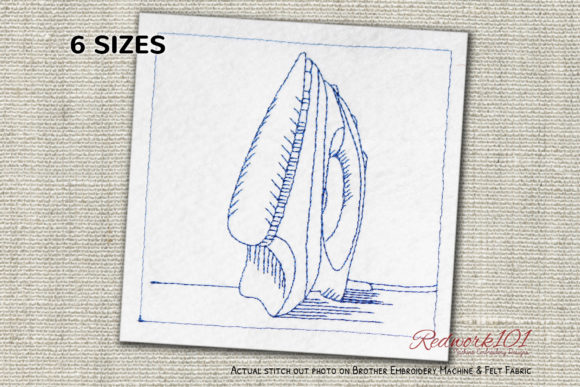
The first thing that strikes you about the Steam Iron Design is its inherent warmth. It captures a nostalgic, domestic charm that feels both classic and inviting. In the world of Embroidery, motifs related to home life often carry a heavy emotional weight, suggesting care, comfort, and tradition. This design does not feel overly modern or stark; instead, it leans into a sweet, handmade vibe that appeals strongly to customers looking for sentimental value. The lines appear clean, suggesting a well-digitized file, but the true test lies in the details. Does it look cluttered, or does it breathe? From a design perspective, it offers a playful yet elegant silhouette that can easily transition from a whimsical nursery item to a sophisticated kitchen accessory, depending on the thread choices and fabric selection.
Versatility Across Product Lines
One of the strongest assets of this design is its versatility. When I plan a collection for my shop, I look for files that can work across multiple product types to maximize return on investment. The Steam Iron Design fits seamlessly into several key categories:
- Kitchen Linens: This is perhaps the most obvious application. An embroidered towel featuring this motif becomes an instant heirloom piece. It adds a layer of personality to standard flour sack towels or tea towels, making them ideal for housewarming gifts.
- Nursery and Baby Items: While an iron might seem industrial, the stylized nature of this design makes it soft enough for baby embroidery. Imagine it stitched onto a muslin swaddle blanket or a bib. It evokes the idea of "home" and "care," which resonates deeply with new parents.
- Home Decor: Pillow covers and tote bags benefit greatly from singular, strong motifs. This design stands well on its own without needing excessive filler, making it perfect for a minimalist aesthetic on a canvas tote or a linen cushion.
- Wedding and Bridal Gifts: For the bride who loves vintage aesthetics or homemaking, this can be part of a larger trousseau set. Paired with elegant script lettering, it elevates a simple apron into a cherished wedding gift.
For an Etsy seller or small business owner, this flexibility means you can create a cohesive collection. You might offer a "Home Sweet Home" bundle that includes a towel, an apron, and a tote, all featuring variations of this central theme. This increases the perceived value of your handmade product and encourages larger basket sizes.
Technical Considerations and Stitching Advice
While the visual appeal is strong, we must address the technical execution. As noted in the product details, "The Box Stitch shown in picture is optional. The color of outer Box is different color in most of the designs unless it is part of the design itself, you can skip the color directly in your software." This is a critical detail for any embroiderer. Before hooping your fabric, you must decide whether to include this border. If you are stitching on a textured fabric, such as a waffle-weave towel, skipping the box stitch might prevent unnecessary bulk and potential puckering. However, if you are aiming for a framed, patch-like look on a smooth cotton, keeping the box can provide a nice finished edge.
Here are some practical steps I recommend before running this design on a final customer order:
- Test on Scrap Fabric: Never skip this step. Use the same type of fabric you intend to sell. Check how the stitch density interacts with the weave. If the fabric is loose, you may need a cut-away stabilizer rather than a tear-away to prevent distortion.
- Check Thread Color Contrast: The charm of this design relies on visibility. On dark fabrics, ensure your thread colors pop. On light fabrics, avoid threads that are too pale, or the details will get lost. Create a printable mockup digitally first to visualize contrast.
- Confirm Hoop Size: Since specific dimensions were not provided in the brief description, you must check the file properties in your embroidery software. Ensure the design fits comfortably within your hoop with adequate margin for clamping. Do not assume it fits a 4x4 hoop just because it looks small on screen.
- Review Small Details: After stitching your test sample, examine the smaller elements of the iron. Are the satin stitches covering the fabric well? Are there any jumps or loose threads that need trimming? High-quality custom embroidery demands clean finishes.
- Stabilizer Selection: For stretchy baby clothes or thin towels, the right stabilizer is non-negotiable. A lightweight cut-back is often safest for items that will undergo frequent washing, ensuring the design remains stable over time.
Navigating Fabric and Placement Challenges
Not every surface is ideal for every design. When using the Steam Iron Design, be cautious with highly textured fabrics where fine details might get swallowed by the pile. Similarly, avoid placing it on curved surfaces that are difficult to hoop flat, such as the toe of a sock or a tightly fitted cap, unless you have specialized equipment. For blanket embroidery, ensure the backing is sufficient to support the weight of the stitches without causing the blanket to pull or warp. If you are working with dark fabric, consider using a white or light-colored underlay if the digitizing allows, or choose opaque thread brands to ensure full coverage.
Enhancing Giftability and Customer Trust
Ultimately, the success of a personalized gift lies in its emotional impact. The Steam Iron Design contributes to this by offering a tangible sense of care. When a customer receives an item with this motif, it feels thoughtful and curated. This perception of quality builds trust in your brand. High-resolution photos of the finished product, showing the texture of the thread and the neatness of the stitches, will drive buyer engagement. Highlighting that you use high-quality digital embroidery file sources and perform rigorous testing can be a unique selling point in your product descriptions.
For those interested in commercial embroidery, always verify the license terms associated with the file. While many designers offer broad commercial rights, it is essential to confirm that you are allowed to sell the physical finished products. Assuming license terms can lead to legal issues down the line. If the details are missing from the download page, reach out to the designer directly before listing items for sale.
Final Thoughts for Makers and Sellers
Incorporating the Steam Iron Design into your repertoire can add a touch of nostalgic elegance to your shop. It is a design that respects the tradition of House hold crafts while meeting the modern demand for personalized, meaningful goods. By paying attention to the optional box stitch, selecting appropriate fabrics, and rigorously testing your setup, you can produce items that not only look beautiful but also stand the test of time. Whether you are creating a wedding gift for a friend or stocking your online store with unique home goods, this design offers a reliable and charming option for your next creative project.