Review: A Head of the Horse Above Applique
As an embroidery designer who has spent countless weekends behind a craft fair table, I know that not every machine embroidery design is created equal. Some are beautiful on a screen but vanish in person. Others are so dense they pucker your best linen. When I pulled up the files for A Head of the Horse Above Applique, I wasn’t just looking at pixels; I was visualizing my booth display. I was asking myself the hard questions: Will this stop a shopper in their tracks? Is it practical to produce in bulk? Does it look premium enough to justify the price tag?
This review breaks down the potential of this specific pattern for handmade market products, focusing on what actually matters to Etsy sellers, boutique makers, and creative entrepreneurs who need reliable design assets for their small shop product lines.
First Impressions: Bold, Rustic, and Market-Ready
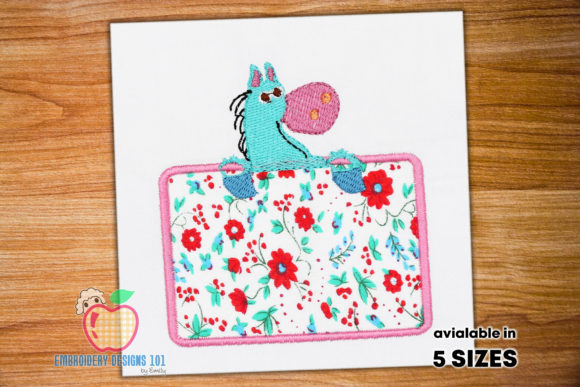
The first thing that strikes me about A Head of the Horse Above Applique is its versatility. It doesn’t scream "cartoonish," nor does it feel overly stiff or formal. It sits comfortably in that sweet spot between rustic farmhouse charm and modern equestrian elegance. For a craft fair environment, this is gold. Shoppers love designs that feel personal and grounded.
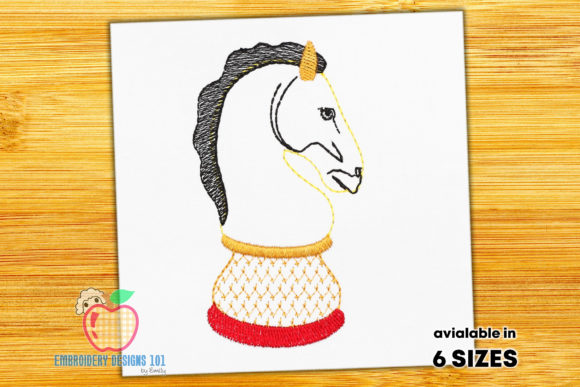
The applique style is a strategic choice. Applique allows for larger designs without the excessive stitch count that can make fabric stiff or cause registration issues on textured materials. This design feels bold enough to be a focal point but clean enough to remain readable from a distance. In a busy booth, clarity is king. If a customer walking past at three miles per hour can’t identify the subject, you’ve lost the sale. This horse head silhouette offers immediate recognition, making it an excellent candidate for high-visibility items.
Product Potential: Where This Design Shines
When planning my inventory, I look for designs that can cross-pollinate across different product categories. Here is how I see A Head of the Horse Above Applique performing on various handmade goods:
- Tote Bags and Market Bags: This is arguably the strongest application. A large hoop size, such as the 8x8 or 8x12, allows the horse head to dominate the center of a canvas tote. The applique fabric adds a tactile dimension that customers love to touch. It transforms a basic bag into a statement piece.
- Apron Embroidery: For the kitchen or garden enthusiast, placing this design on the bib of a heavy cotton apron creates a professional, boutique look. It suggests quality and durability, two key selling points for handmade kitchenware.
- Tea Towel Embroidery: Using the smaller 4in or 5in sizes works beautifully here. However, caution is needed regarding fabric texture. Tea towels often have a loose weave. Ensure your stabilizer is robust to prevent the applique edges from fraying or the stitches from sinking into the weave.
- Embroidered Patches: Creating iron-on or velcro-backed patches is a fantastic way to utilize scrap fabric. These are low-cost, high-margin impulse buys. The clear outline of the horse head ensures the patch looks crisp even at smaller dimensions.
- Caps and Hats: While possible, curved surfaces are tricky. If you attempt this on a cap, stick to the smallest size (4in) and ensure the design is centered perfectly. The applique technique helps reduce bulk, which is critical for comfort on headwear.
Production Practicality for the Small Shop Owner
For those of us running a one-person operation, time is money. The description notes that A Head Of The Horse Above Applique Pattern Machine Applique Design comes in 5 Sizes 4in to 8in suitable for hoop sizes 4x4, 5x7, 6x10, 8x8 and 8x12. This range is ideal for batch production. You can hooped multiple small items like coasters or patches simultaneously if your machine allows, or quickly switch between hoop sizes for different products without needing to resize and digitize manually.
The stitch density in applique designs is generally lower than full-fill satin stitches, which means faster run times. This is crucial when you have fifty orders to fulfill before a holiday market. Furthermore, the use of fabric for the main body of the horse head means you spend less on thread and more on creative fabric choices. You can use denim, corduroy, or floral prints to create unique variations of the same embroidery file, allowing you to offer a diverse finished product line without changing the digital file.
Visual Appeal and Customer Engagement
Why does this design work for buyer engagement? It evokes emotion. Horse lovers are passionate. By using a recognizable and beloved animal, you tap into a niche market that is eager to display their affinity. When displayed on a printable mockup for your online listings, ensure the contrast between the applique fabric and the base garment is high. A dark horse on a light tote bag pops; a beige horse on a cream bag disappears.
In a physical booth, this design serves as an anchor. It draws the eye. If you pair it with complementary items—perhaps a matching bookmark or a small pouch—you create a cohesive collection. This consistency builds brand trust. Customers perceive your shop as curated and professional rather than a random assortment of crafts.
Careful-Use Notes and Technical Considerations
While the design is robust, no digital embroidery file is foolproof. Here are the technical pitfalls to avoid:
- Fabric Texture: Avoid using this on highly textured fabrics like thick terry cloth unless you use a water-soluble topping. The applique edges may not lie flat if the underlying texture is too uneven.
- Dark Fabric: If stitching on black or navy, ensure your placement stitch and tack-down stitch are visible. Use a contrasting thread color for the initial steps, then switch to matching thread for the final satin border if desired, or keep the border contrasting for a pop.
- Stabilizer Choice: Because applique involves cutting fabric, stability is key. Use a cut-away stabilizer for stretchy fabrics like t-shirts to prevent distortion over time. For woven totes, a tear-away may suffice, but a cut-away ensures longevity.
- Size Clarity: Do not scale the design beyond its intended parameters. The 4in size is detailed enough for patches, but shrinking it further will lose the definition of the horse’s features. Respect the minimum size limits provided in the product details.
Designer’s Checklist Before You Sell
Before you list this as a craft fair product or upload it to your online store, follow these steps:
- Test on Scrap: Always run a test stitch on the exact fabric you plan to sell. Check for puckering or thread breaks.
- Check Thread Contrast: Experiment with different thread colors for the satin border. A metallic thread can add a premium feel, while a matte cotton thread keeps it rustic.
- Confirm Licensing: Ensure you understand the commercial license terms. Most designers allow you to sell finished physical items, but you cannot resell the embroidery file itself. Verify this to protect your business.
- Create Real Mockups: Photograph the actual stitched item. Digital mockups are great for planning, but photos of the real texture sell the handmade product.
- Review Hoop Size Compatibility: As noted, the design fits 4x4 through 8x12 hoops. Double-check your machine’s maximum hoop size to ensure you can utilize the largest 8in version for those impactful tote bags.
In conclusion, A Head of the Horse Above Applique is a strong contender for any equestrian-themed or rustic-style product line. It balances aesthetic appeal with production efficiency. For the commercial embroidery professional or the weekend warrior, it offers the flexibility to create high-value items that stand out in a crowded marketplace. By paying attention to fabric choice and stabilizer support, you can turn this single design into a cornerstone of your seasonal collection.